Portfolio
Project Overview
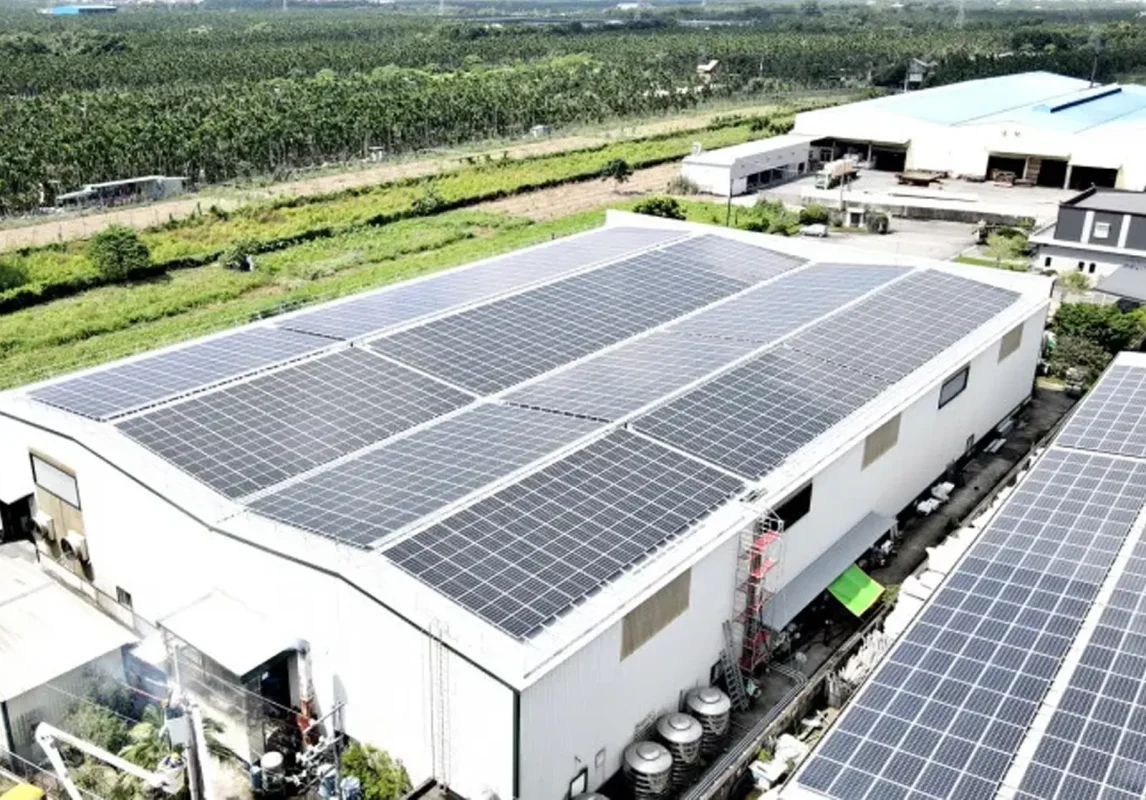
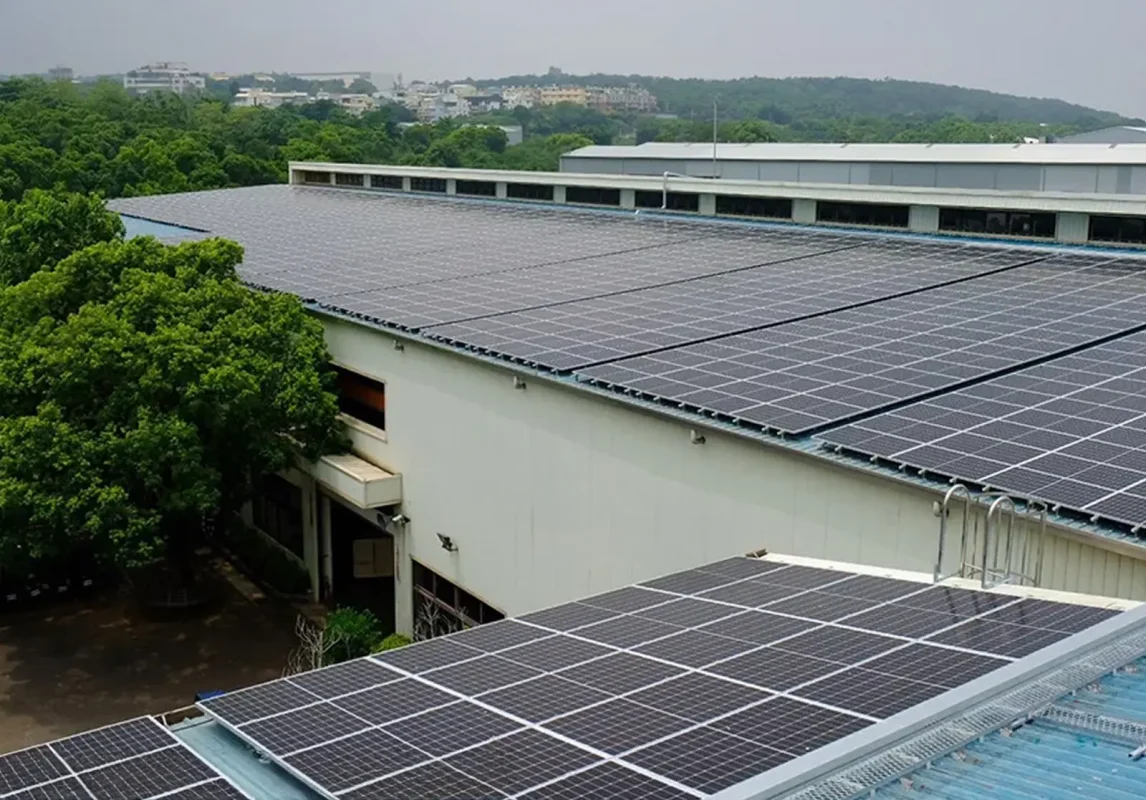
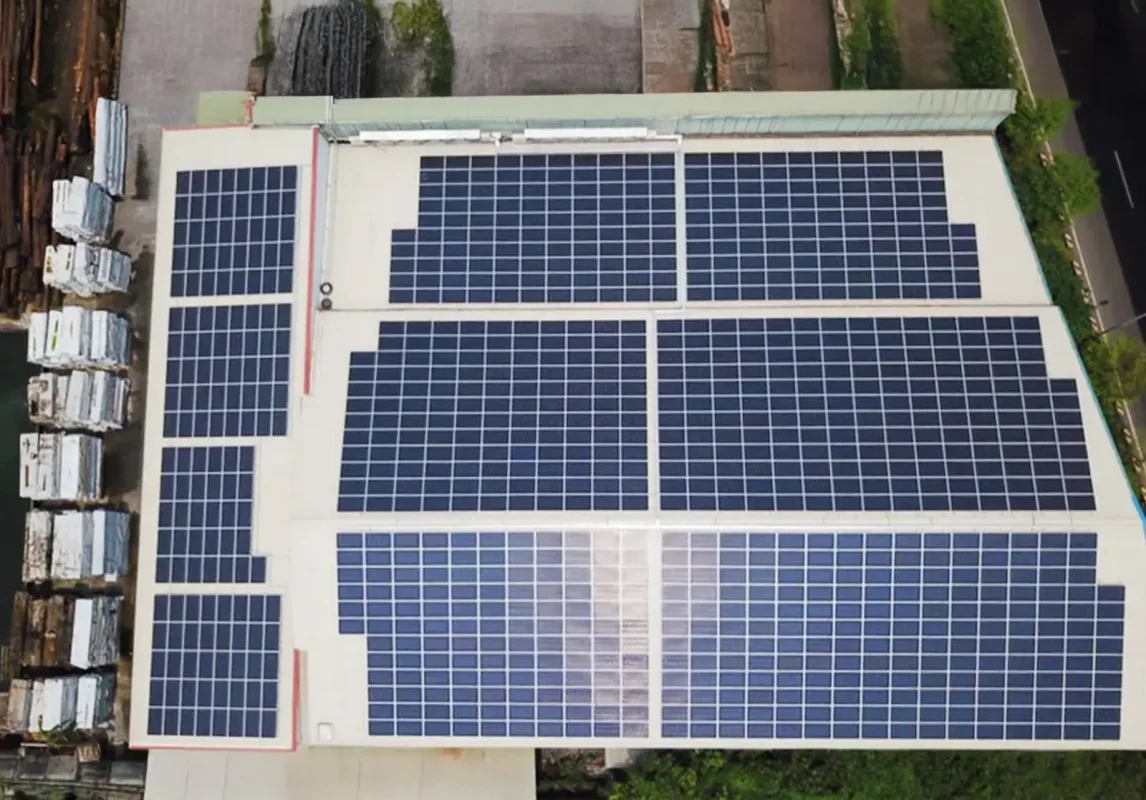
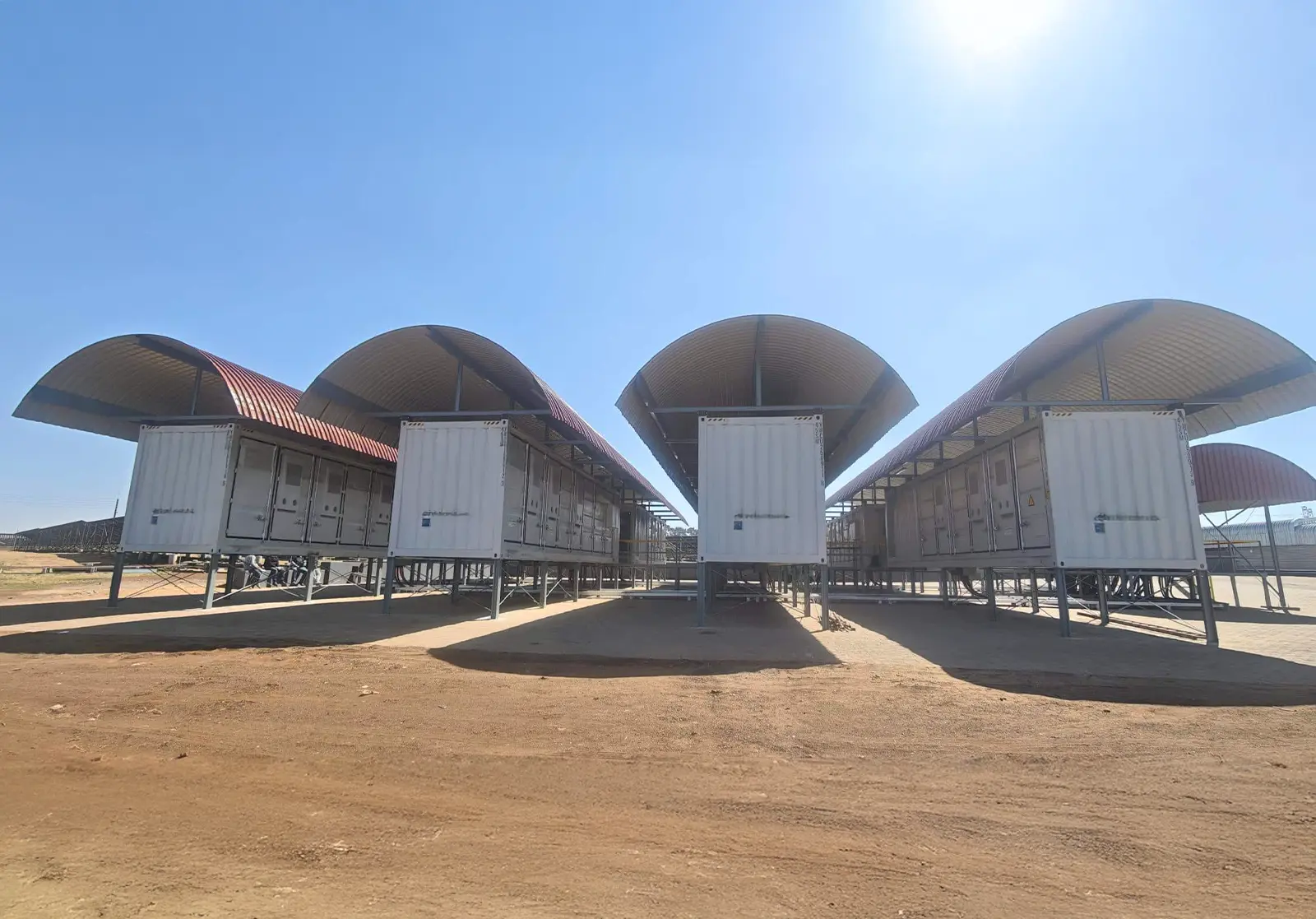
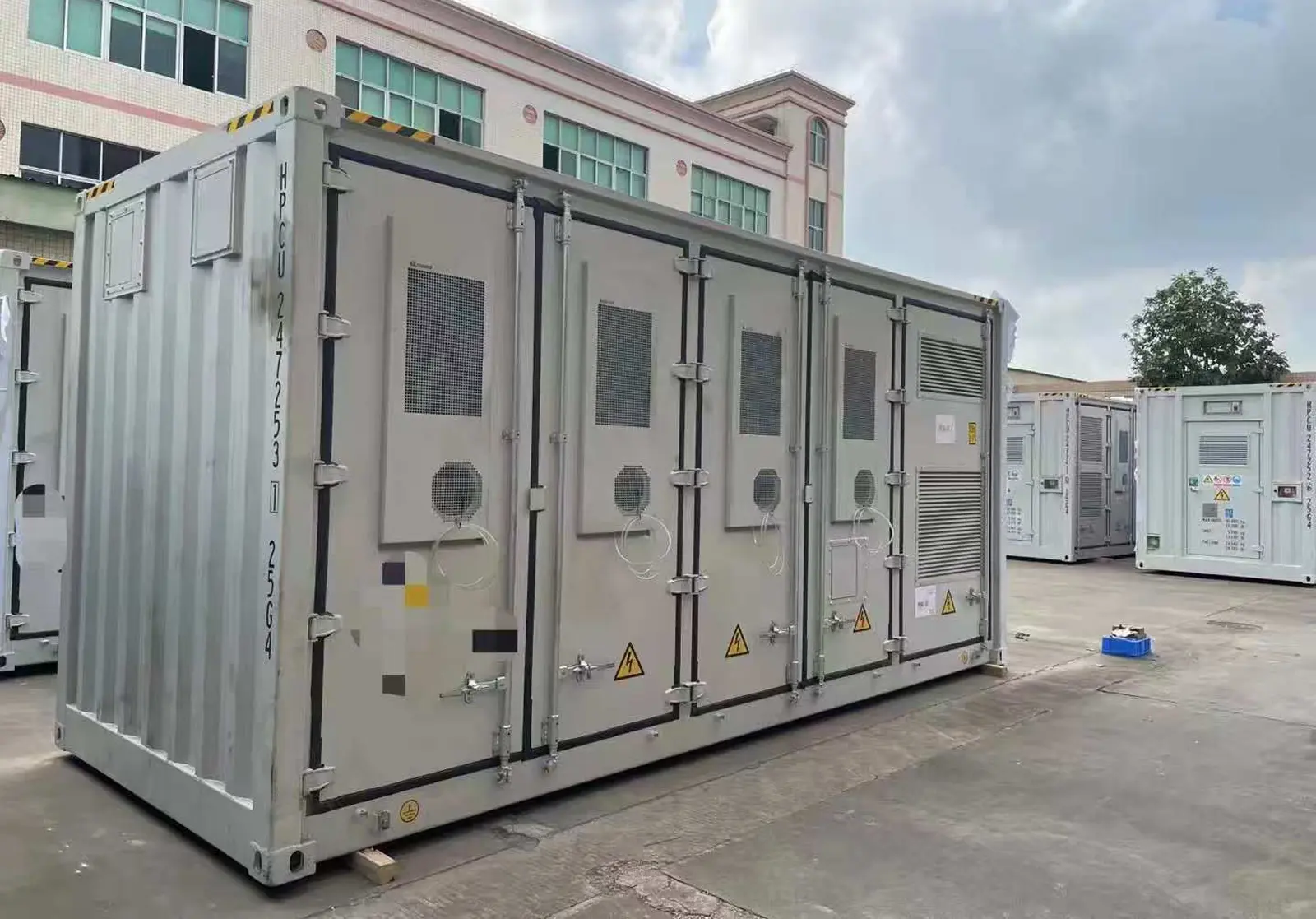
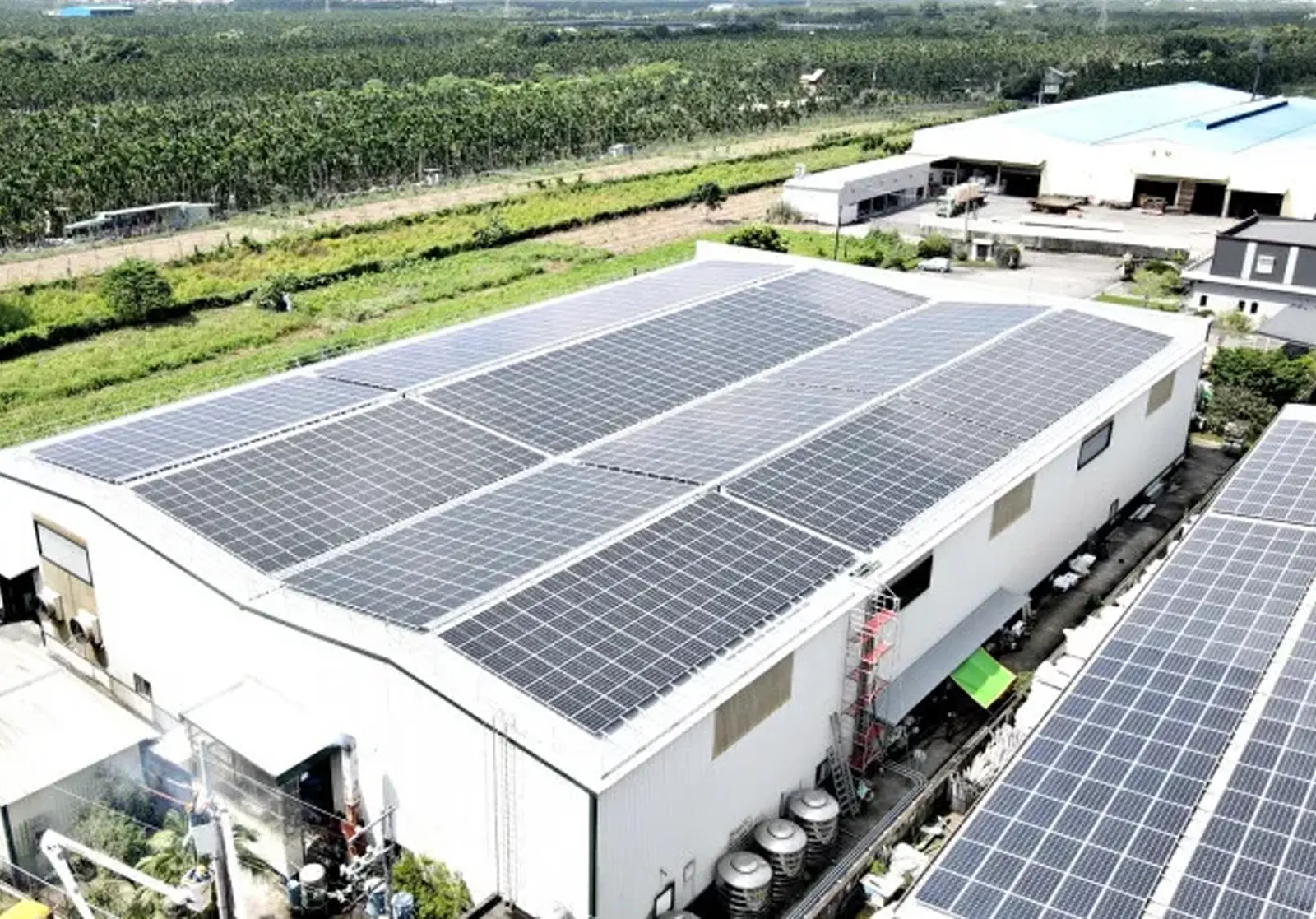
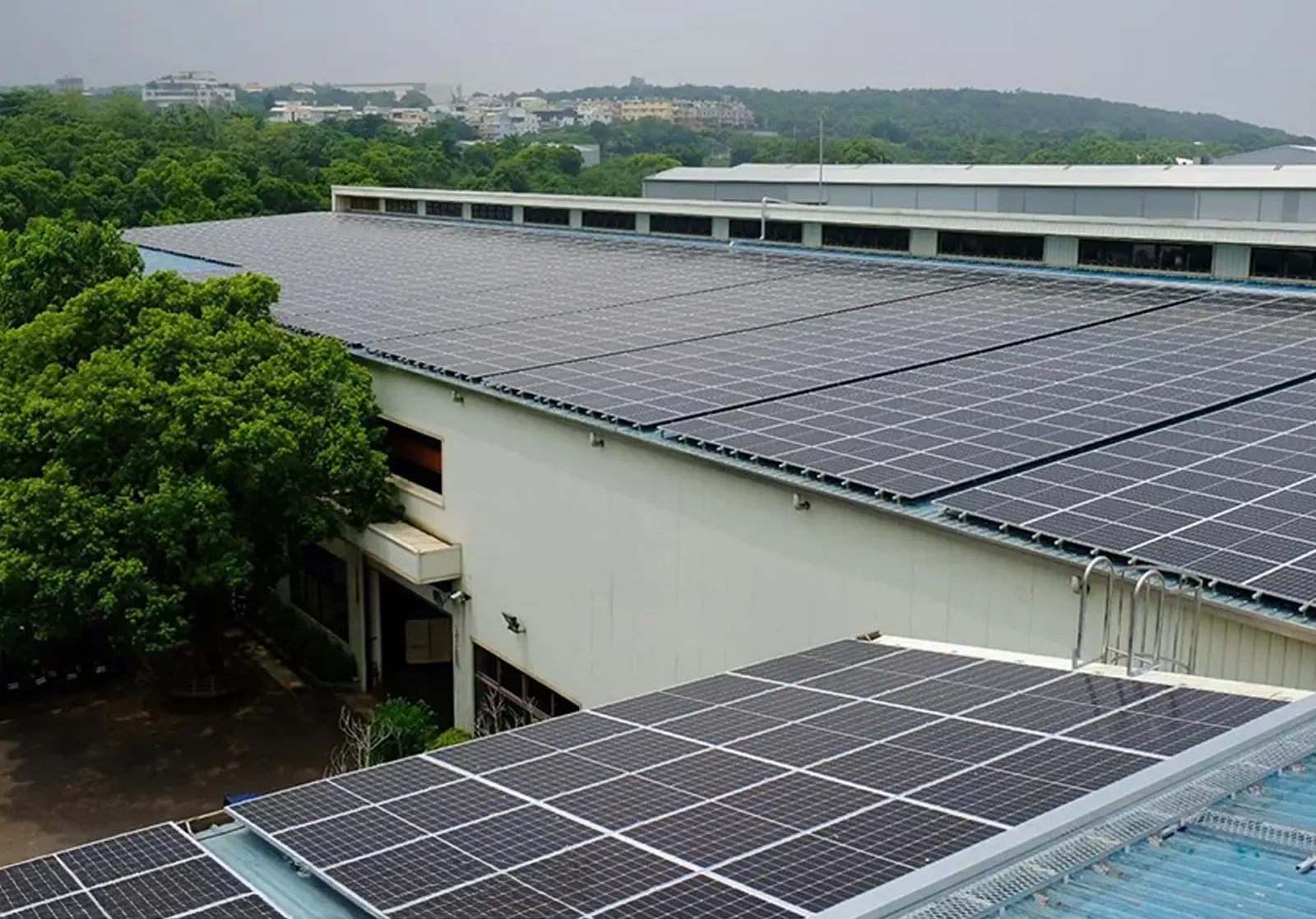
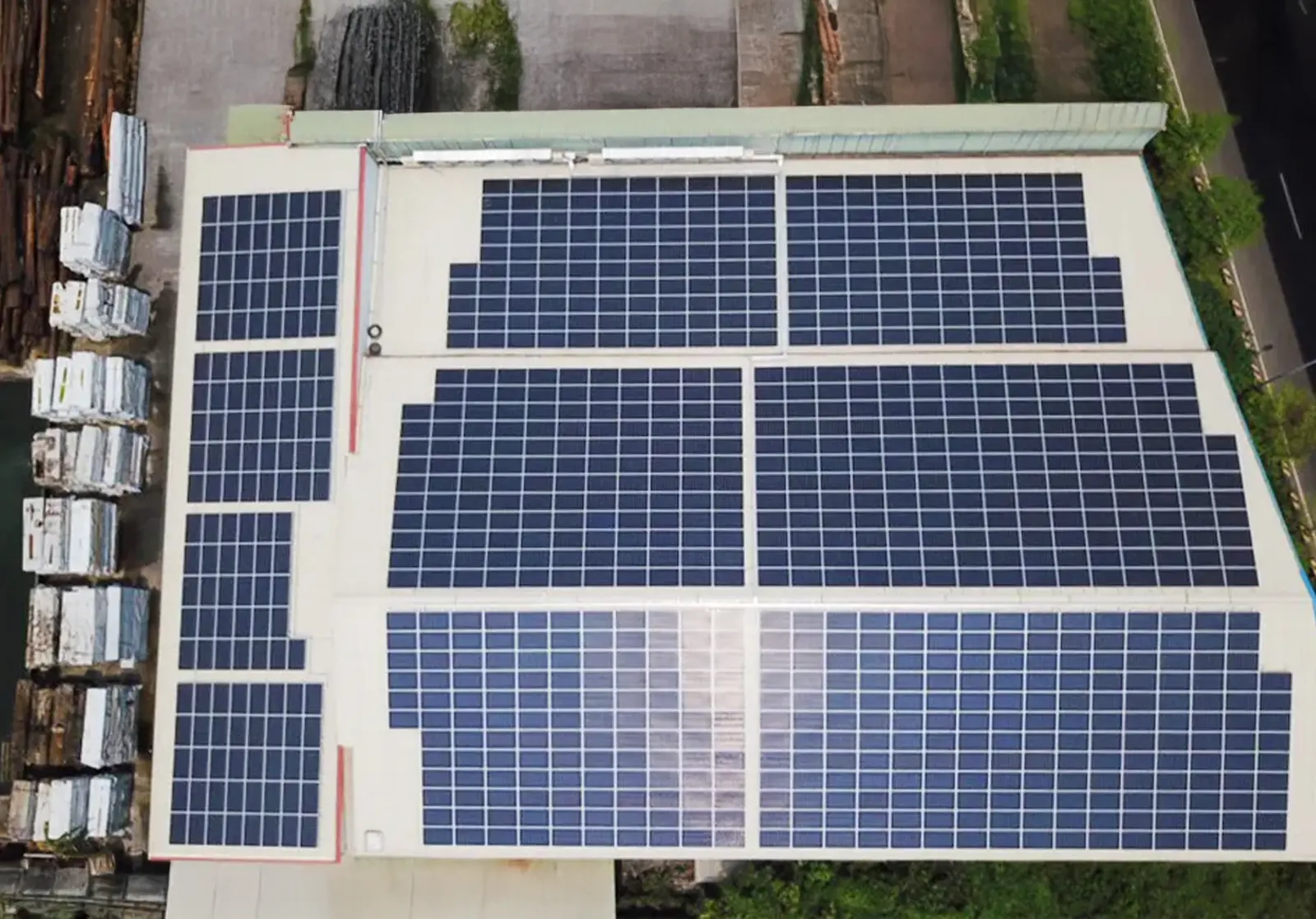
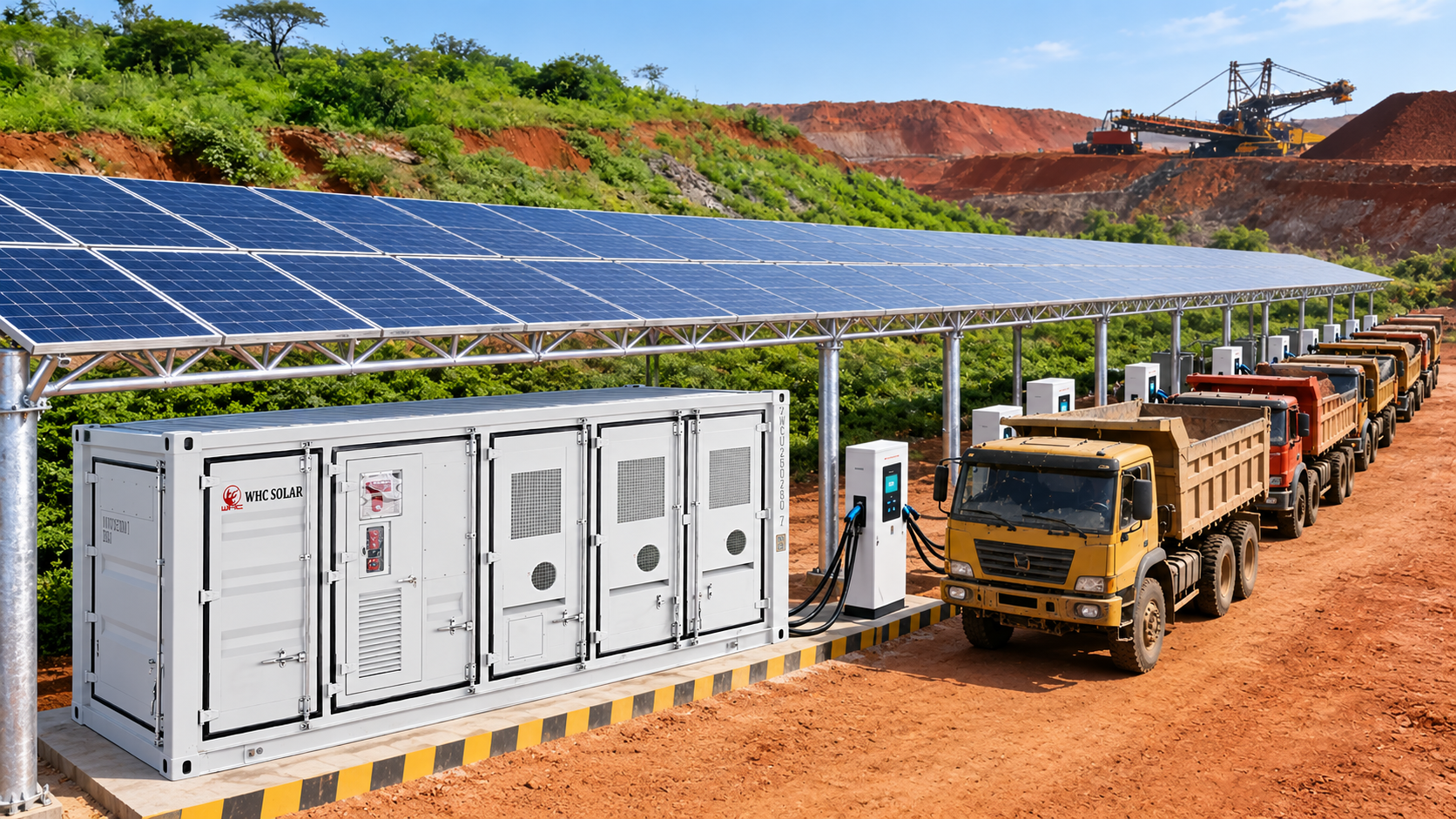
Designed for an open-pit mine fleet service area in Guinea, this complete power solution combines approximately 100kWp of solar canopy PV, a 500kW PCS and approximately 1MWh of lithium battery storage. It supports site services and scheduled charging for compatible electric vehicles within a mixed fleet.
Project Background
A fleet service area brings vehicles, electrical equipment and daily activity into a shared space. A solar canopy provides daytime generation close to demand, while containerized equipment provides a dedicated location for energy storage and power conversion.
The load plan separates essential lighting, communications and monitoring from charging demand. Charging equipment must match the vehicle connector, voltage range and communication protocol before integration.
Project Challenges
Several vehicle arrivals can create a concentrated demand peak. Charging schedules therefore need to follow available power, vehicle service windows and the reserve required for essential site services.
Mining conditions also require attention to dust, drainage, operating temperature, cable protection and vehicle impact. Equipment placement must leave safe access for maintenance and preserve normal traffic routes.
WHC Power Solution
WHC Power’s configuration integrates solar PV, lithium battery storage, PCS conversion, BMS protection and EMS control. Solar generation can supply approved loads and recharge the battery when surplus energy is available.
The 500kW PCS provides controlled battery power within the system’s operating limits. It does not imply that the 100kWp solar canopy can sustain 500kW of continuous generation. Sustained charging depends on available battery energy and the site’s approved grid or generator supply arrangement.
EMS settings allocate power between essential services and compatible charging outlets. Site limits, individual outlet limits and scheduled charging prevent uncontrolled simultaneous demand.
System Integration and EPC Support
WHC Power supports EPC partners with PV string design, PCS and battery compatibility, charging interfaces, protection coordination and technical configuration. Installation planning covers earthing, isolation, surge protection, cable routing, equipment cooling and physical protection.
Commissioning should verify BMS and EMS communication, outlet limits, load priorities and supply transitions. Charging throughput depends on usable battery energy, conversion losses, vehicle demand and the recharge schedule.
System Configuration
Solar PV Design Capacity: Approximately 100kWp solar canopy PV
PCS Design Rating: 500kW
Battery Configuration: Approximately 1MWh lithium battery storage
Control: BMS protection, EMS dispatch and managed charging limits
Application: Selected mine services and charging for compatible electric vehicles
Operating Arrangement: Solar self-consumption, storage dispatch and essential-load reserve
Project Benefits
The design aims to increase solar use and make stored energy available for selected site services. Managed charging helps align demand with supply and fleet schedules.
Where a stationary generator is part of the power system, coordinated battery dispatch can reduce unnecessary generator runtime. Any vehicle fuel savings depend on actual fleet electrification and are assessed separately.
Why WHC Power
WHC Power supplies complete industrial solar solutions covering PV, lithium battery storage, PCS equipment, energy management and technical integration support. Its assistance helps EPC teams configure projects around electrical demand, environmental conditions and operating priorities.
Share your site demand and fleet requirements with WHC Power to develop a complete commercial solar power solution.