Portfolio
Project Overview
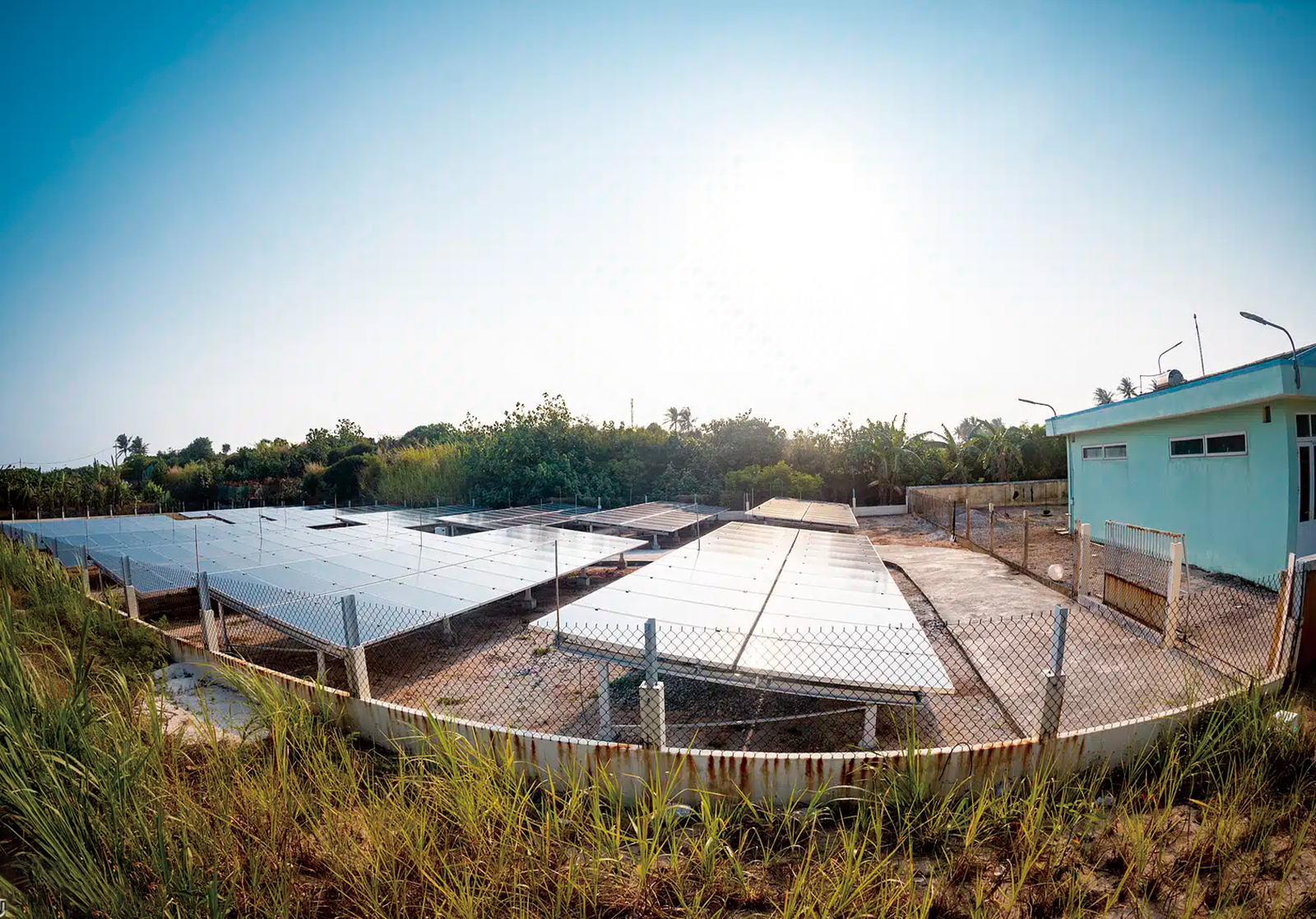
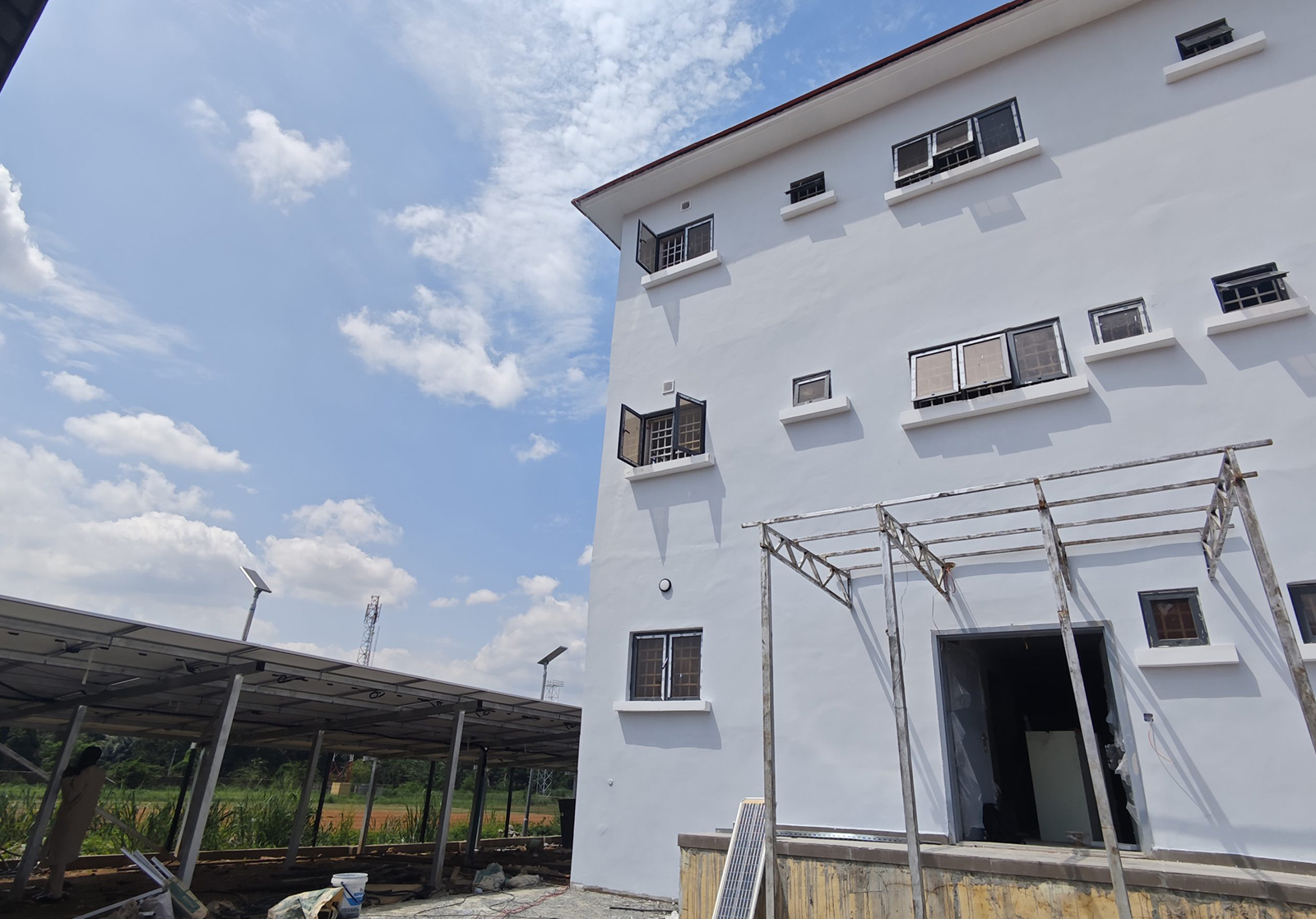
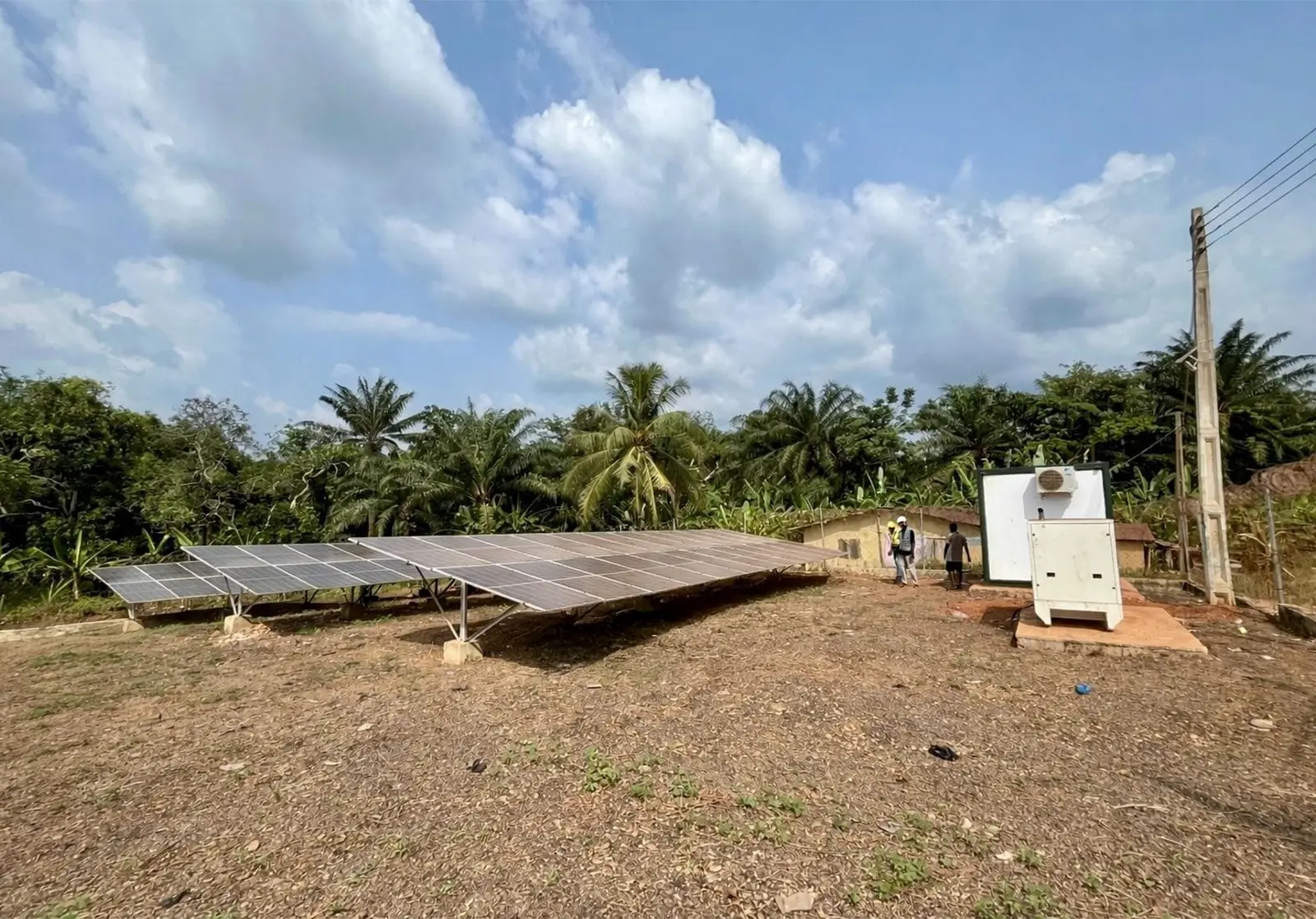
This rooftop solar power solution for a small diagnostic clinic in Cameroon combines a 50kW PV design, a 50kW hybrid inverter and approximately 100kWh of lithium battery storage. The complete system is designed around daytime energy use and backup support for selected essential services.
Project Background
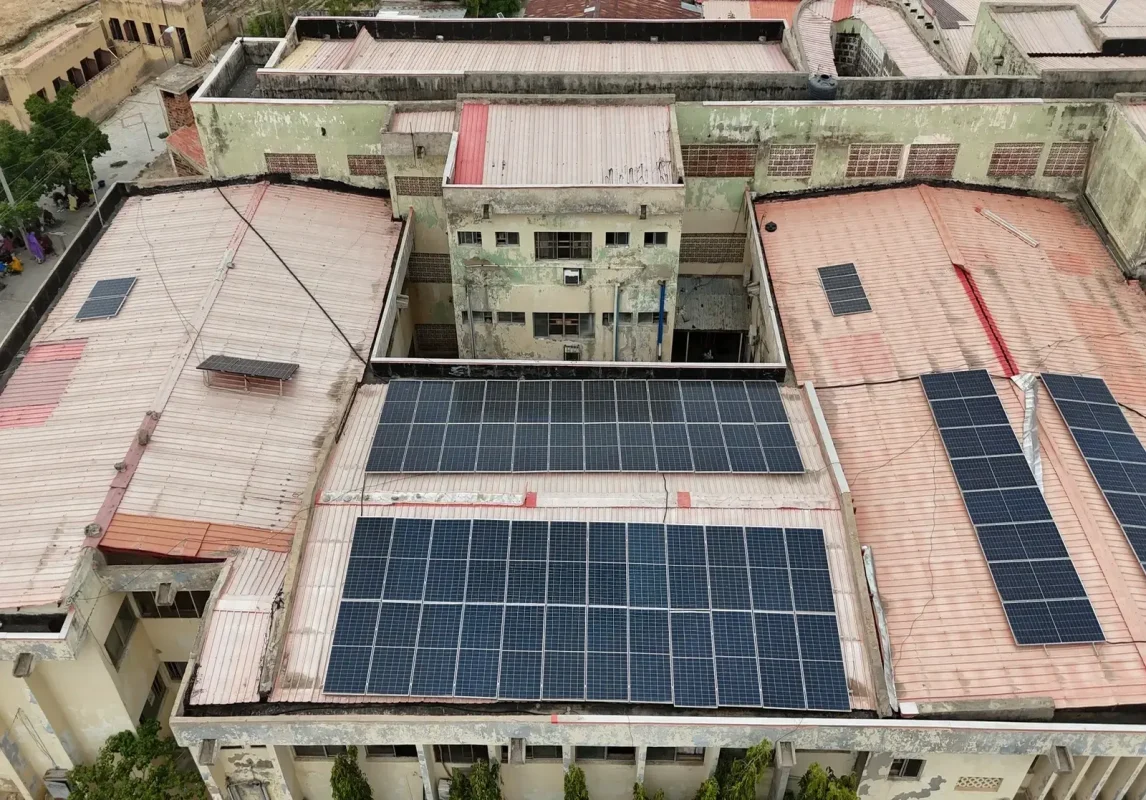
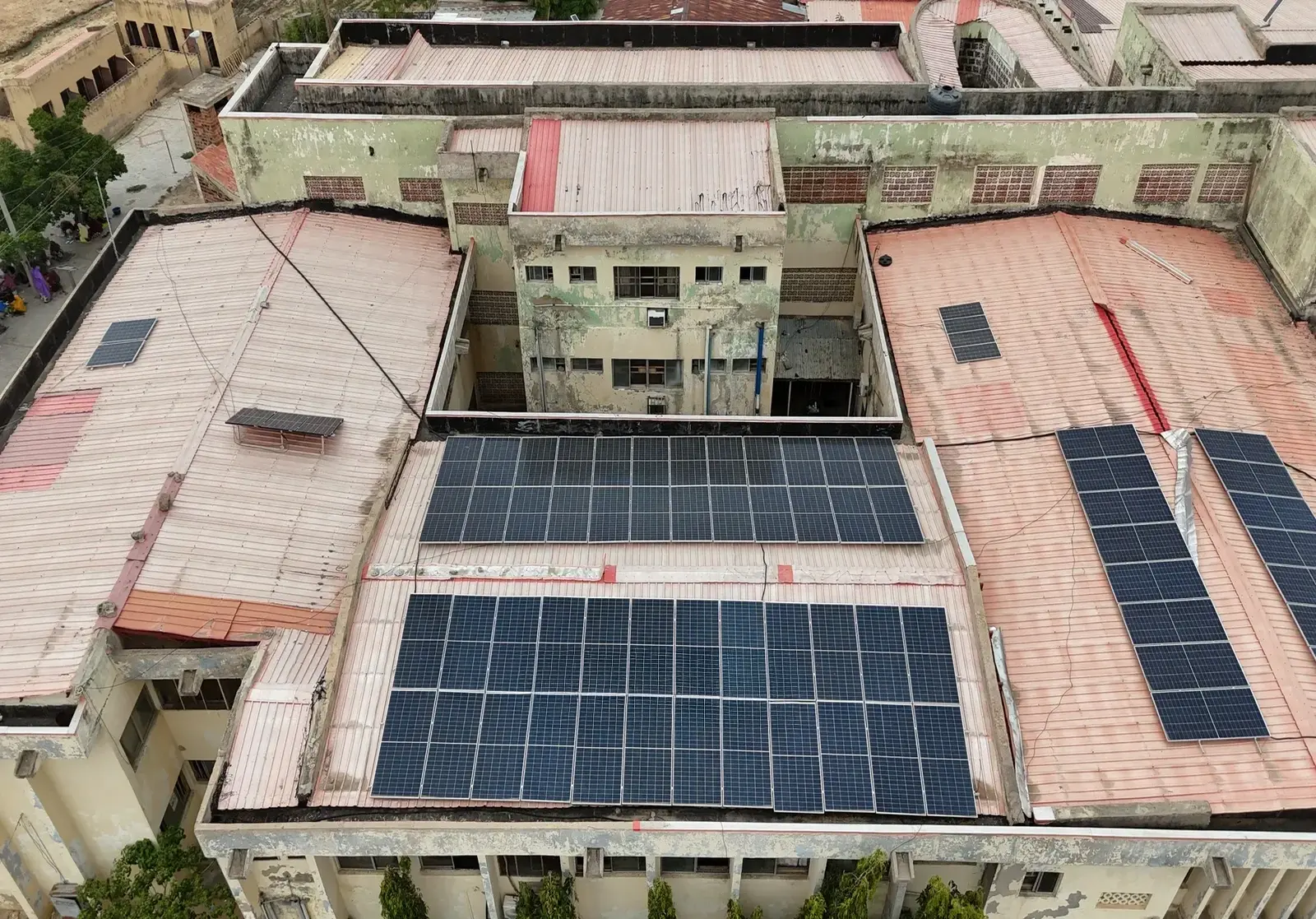
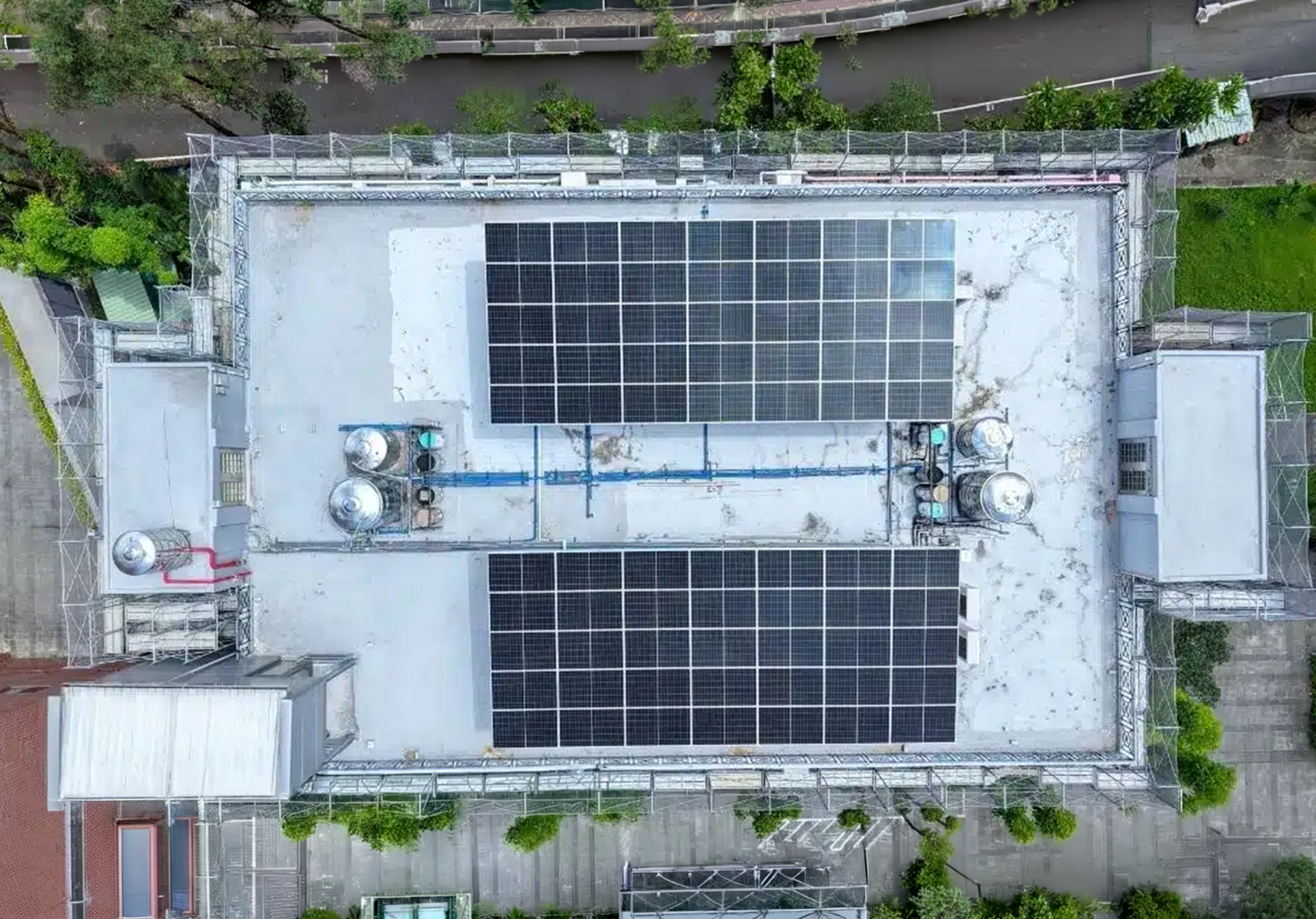
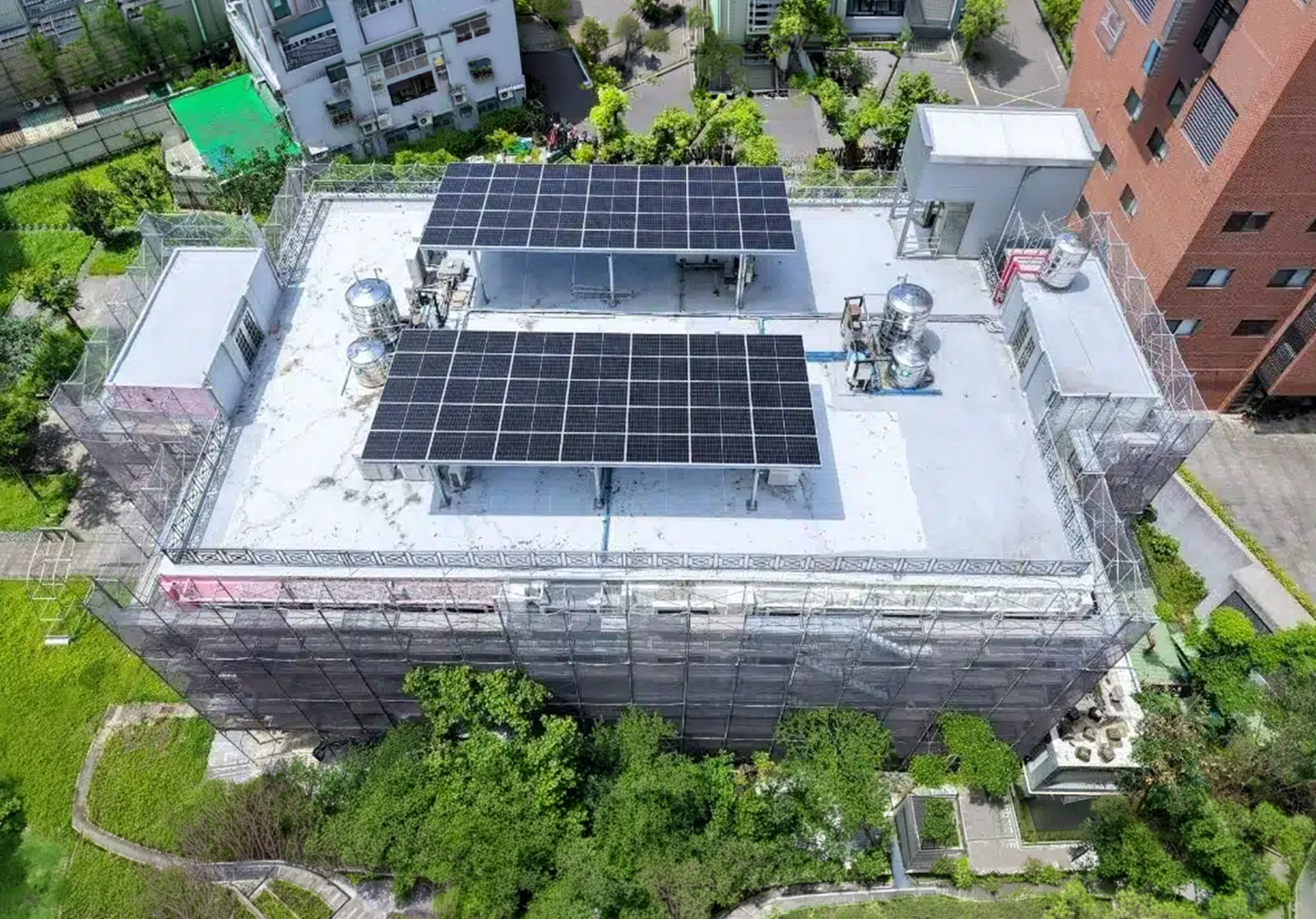
Two elevated PV arrays make use of a flat roof while allowing access around existing tanks, pipework and service structures. The layout provides a starting point for rooftop generation without requiring additional land.
The clinic’s electrical plan prioritizes essential lighting, medicine refrigeration, communications and administrative equipment. Each load requires an operating schedule, demand assessment and backup priority before the system is finalized.
Project Challenges
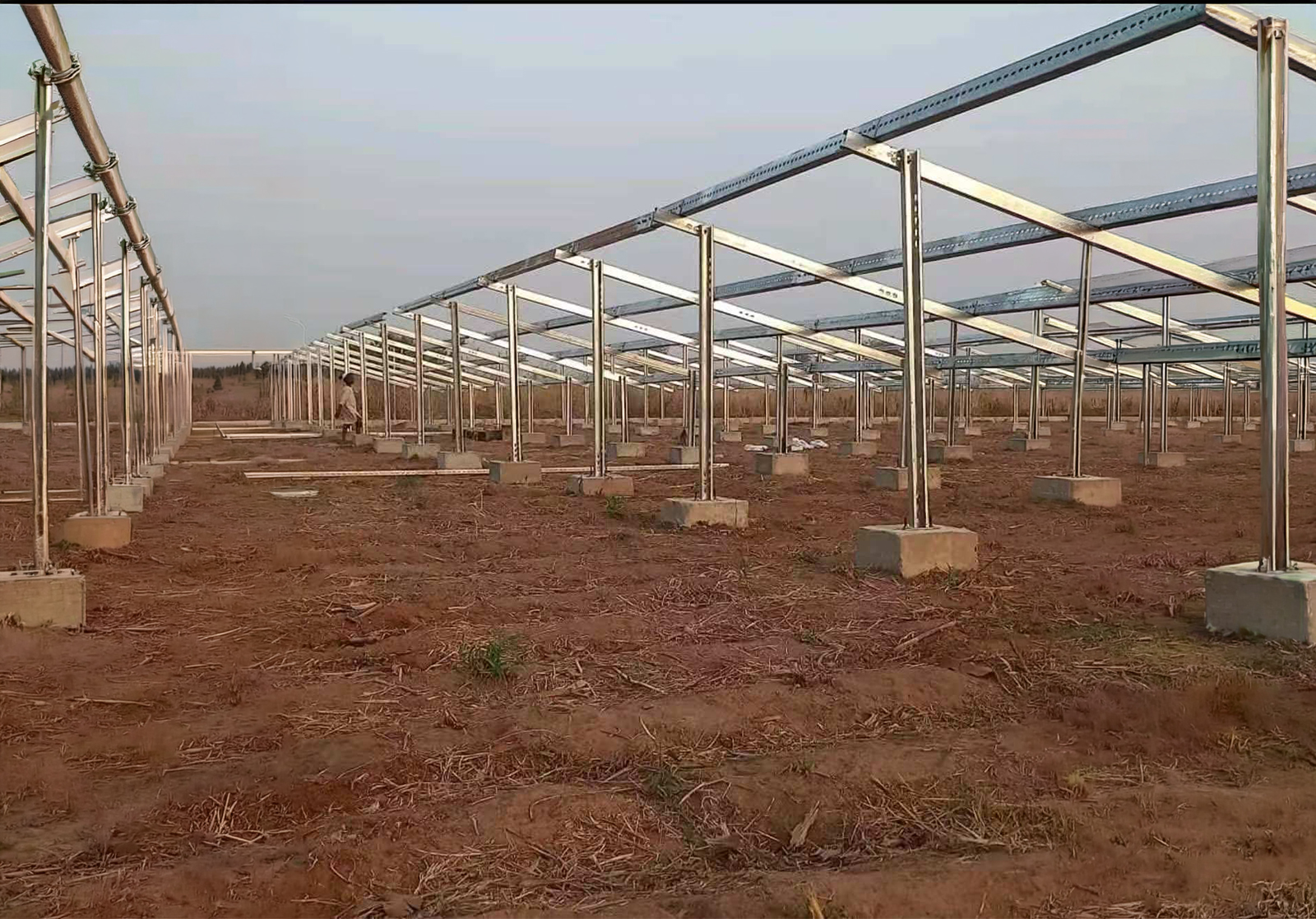
Limited roof space requires careful array placement and coordination with maintenance routes. Roof loading, wind resistance, waterproofing and shading must be assessed alongside PV string design and cable routing.
The electrical system also needs to accommodate refrigeration starting currents and battery operating limits. Equipment that requires uninterrupted power needs a dedicated UPS and an appropriate clinical electrical design.
WHC Power Solution
The WHC Power solution brings rooftop PV, high-voltage lithium battery storage, hybrid inverter control and electrical protection into one coordinated configuration. During daylight hours, solar generation can supply facility loads and charge the battery when surplus power is available.
Energy management settings define battery reserve and discharge priorities. A dedicated critical-load distribution arrangement keeps backup demand within the system’s power and usable energy limits. Backup duration depends on actual demand, battery reserve and operating conditions.
System Integration and EPC Support
WHC Power supports EPC partners with equipment selection, battery and inverter communication planning, PV string configuration and technical coordination. The installation plan should cover rooftop mounting, earthing, surge protection, isolation, cable protection and access to serviceable equipment.
Commissioning checks should verify BMS communication, protection settings, load priority and operation during a utility interruption. Any generator connection requires a separate assessment of electrical compatibility and control settings.
System Configuration
Solar PV Design Capacity: 50kW rooftop PV
Hybrid Inverter Rating: 50kW
Battery Configuration: Approximately 100kWh high-voltage lithium battery storage
Control: BMS communication and energy management
System Arrangement: Rooftop solar generation with selected critical-load backup
Application: Essential lighting, medicine refrigeration, communications and administrative equipment
Project Benefits
The design aims to increase daytime solar self-consumption and make stored energy available for selected clinic services. At facilities with backup generation, coordinated storage operation can reduce unnecessary generator runtime.
Using the roof preserves ground-level space for clinic access and daily activity. Integrated equipment planning also helps the project team address compatibility, installation and maintenance requirements before delivery.
Why WHC Power
WHC Power supplies complete commercial solar solutions covering PV, lithium battery storage, hybrid inverters, energy management and electrical integration support. Its technical assistance helps EPC partners configure systems around site conditions, load requirements and backup priorities.
Commercial Solar Project Support
Share your clinic’s load schedule and rooftop layout with WHC Power to develop a complete commercial solar power solution.