
Blog
Commercial Energy Storage Systems for African Commercial Buildings: 150kW+ Backup Power, Peak Shaving and Tenant Load Planning


Commercial energy storage systems for African commercial buildings are not small backup accessories. Power failure can stop elevators, payment systems, office networks, cold rooms, security systems, lighting, water pumps and tenant operations at the same time. A small backup system may support a few lights, but a multi-tenant property needs commercial energy storage systems designed around real loads, operating hours and business risk.
This guide explains how to evaluate a 150kW+ commercial energy storage project for office buildings, shopping plazas, mixed-use buildings and commercial facilities in Africa, West Africa, Central Africa and Sub-Saharan Africa. It focuses on backup power, peak shaving, tenant load planning, diesel reduction and quotation preparation.
Why Commercial Energy Storage Systems Matter for Buildings
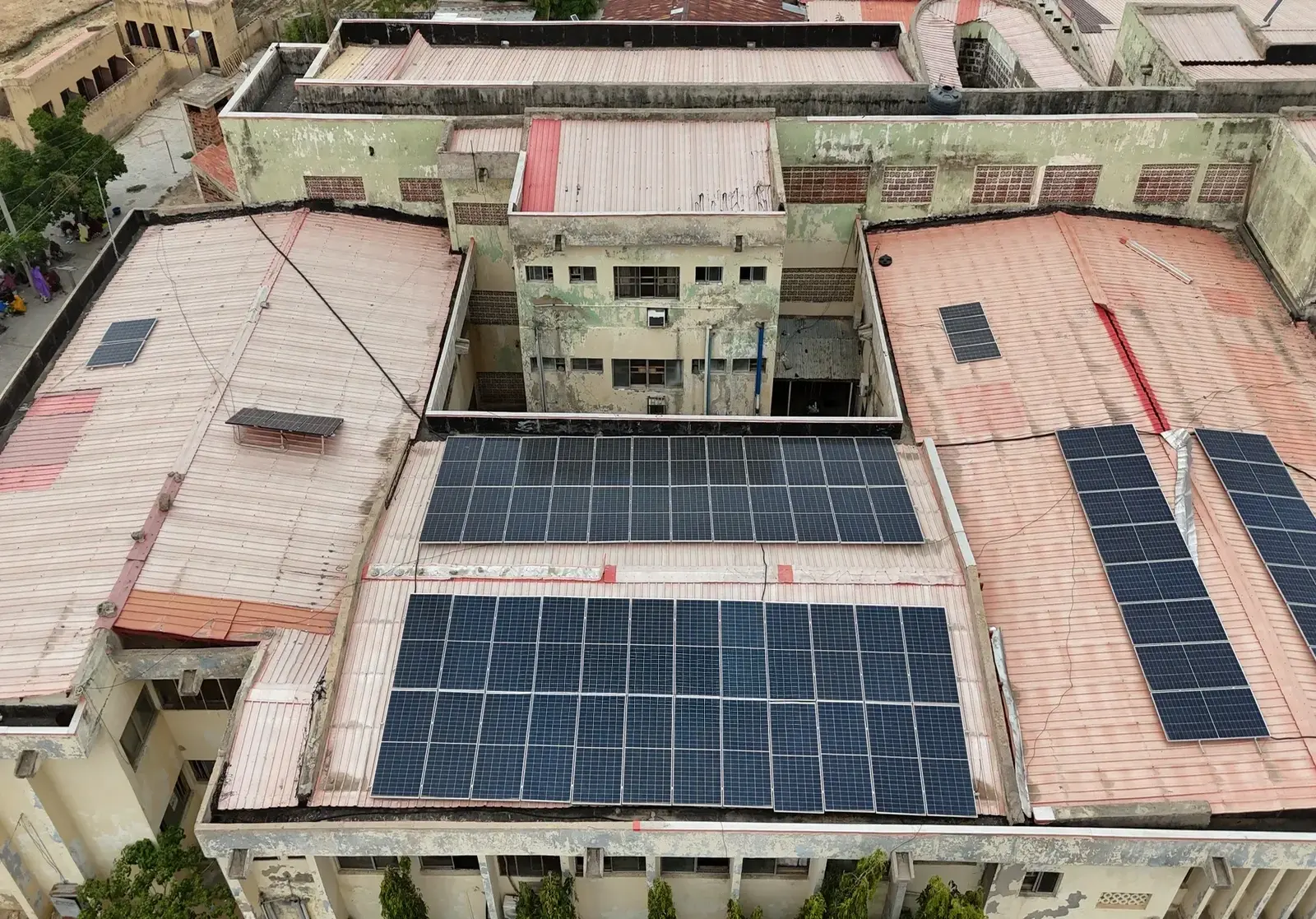
Commercial buildings often have more complicated power demand than a single factory or a single hotel. Different tenants may operate offices, shops, clinics, restaurants, cold storage rooms, banks or service centers inside the same property. Their loads do not all start and stop at the same time.
Commercial energy storage systems can help the building owner manage daytime solar generation, battery discharge, grid outages, diesel generator use and peak load periods. For EPC contractors, the project should be designed as a commercial power system, not as a simple solar package.
The IEA Africa Energy Outlook 2022 highlights the importance of reliable electricity access for economic activity across Africa. In commercial buildings, unstable power can directly affect rent value, tenant satisfaction and daily revenue.
WHC Power focuses on solar commercial and industrial energy storage systems. For this type of project, buyers should prepare building load information and request a project configuration through WHC Power C&I energy storage solutions or the WHC Power contact page.
150kW+ Commercial Energy Storage Systems Project Scope
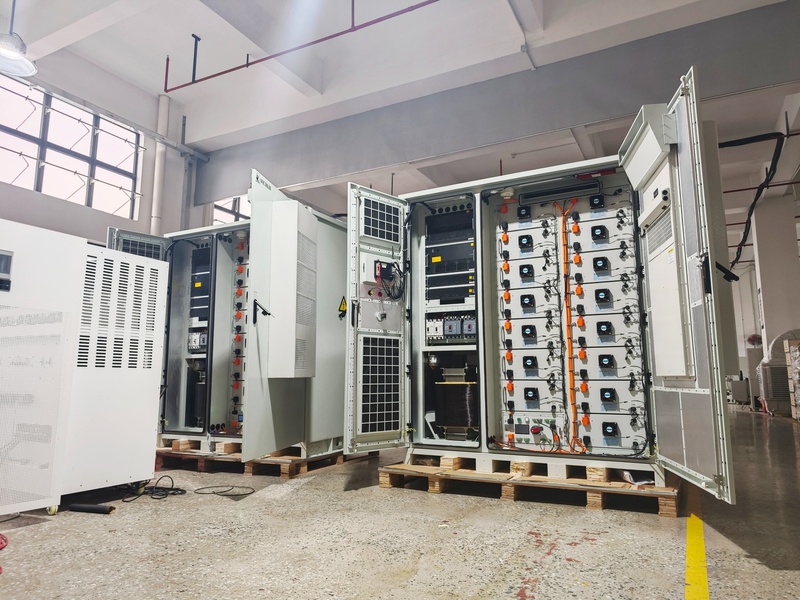
A 150kW+ project is usually suitable when the building has multiple tenant loads, three-phase power demand, frequent generator operation or high daytime electricity use. The system may combine PV, battery cabinets, PCS or hybrid inverter units, EMS control, BMS protection, grid input and diesel generator backup.
The goal is not simply to install the largest battery. The project should define which loads need backup, which loads can be shifted, which tenants require priority power and how the system should behave during grid failure or peak tariff periods.
| Planning Item | What to Check | Commercial Building Impact |
|---|---|---|
| Peak load | Maximum simultaneous building demand, including elevators, pumps, cooling and tenant equipment. | Helps size PCS or inverter power and avoid overload during busy hours. |
| Critical loads | Security, lighting, server room, payment systems, water pumps, emergency circuits and selected tenant loads. | Defines backup priority during outages. |
| Battery capacity | Backup duration, usable energy, DOD strategy and future expansion requirement. | Controls runtime, cost and battery service life. |
| PV capacity | Available roof area, carport area, daytime demand and battery charging target. | Affects diesel reduction and grid energy savings. |
| EMS control | Grid, PV, battery, diesel generator and tenant load priority logic. | Improves operating strategy and prevents poor energy dispatch. |
Tenant Load Planning Comes Before Battery Sizing
Commercial building owners often ask for a battery capacity before confirming the load profile. That is risky. Tenant load planning should come first because each tenant may have different power sensitivity and operating hours.
An office tenant may need computers, network equipment and lighting. A clinic tenant may need refrigeration, medical devices and stable backup. A restaurant may have refrigeration, exhaust fans and kitchen appliances. A retail tenant may need lighting, payment terminals and air conditioning. These loads should not be treated as one flat number.
For a 150kW+ C&I energy storage system, the EPC contractor should divide loads into priority levels. Critical loads receive backup first. Flexible loads can be reduced during outages. High-starting-current loads should be reviewed carefully before final inverter or PCS sizing.
Backup Power, Peak Shaving and Diesel Reduction
Commercial energy storage systems can serve several business goals at once. The buyer should rank these goals before requesting a quotation.
Backup Power
Backup power is the first concern for many African commercial buildings. The system should support priority circuits during grid outages. It should also define whether the building needs short emergency backup, several hours of tenant operation or longer backup with diesel generator support.
Peak Shaving
Peak shaving means using battery power to reduce demand during high-load periods. In buildings with large cooling loads, elevators, pumps and tenant equipment, peak demand can raise operating cost. A properly controlled battery system can discharge during peak periods and recharge when solar power or lower-cost energy is available.
Diesel Reduction
Diesel generators are still common in many African commercial properties. However, a diesel-only backup strategy can waste fuel when the generator runs at an inefficient load level. A solar + storage + diesel hybrid system can let the generator support the battery and critical loads more efficiently.
The IRENA electricity storage report explains how storage supports renewable energy integration and system flexibility. For commercial building projects, this reinforces the value of treating storage as an operating strategy, not only as backup equipment.
Typical Commercial Energy Storage Systems Configuration Logic
A commercial building project usually starts with load measurement, electrical drawings and business goals. The configuration can then be built around power, energy and control logic.
| System Part | Role in the Project | Procurement Check |
|---|---|---|
| PV array | Generates daytime power and charges the battery when available. | Check roof area, shading, structure, PV string design and local solar resource. |
| Battery system | Stores energy for backup power, peak shaving and diesel reduction. | Confirm usable capacity, battery chemistry, BMS protection, thermal design and expansion method. |
| PCS or hybrid inverter | Converts power between DC battery/PV and AC building loads. | Match rated power, overload capacity, grid mode, off-grid mode and generator interface. |
| EMS | Controls power flow between PV, battery, grid, diesel generator and building loads. | Check operating modes for backup, peak shaving, PV priority and generator charging. |
| Distribution and protection | Connects the system safely to building circuits and priority loads. | Review breaker design, bypass, grounding, cable sizing and maintenance access. |
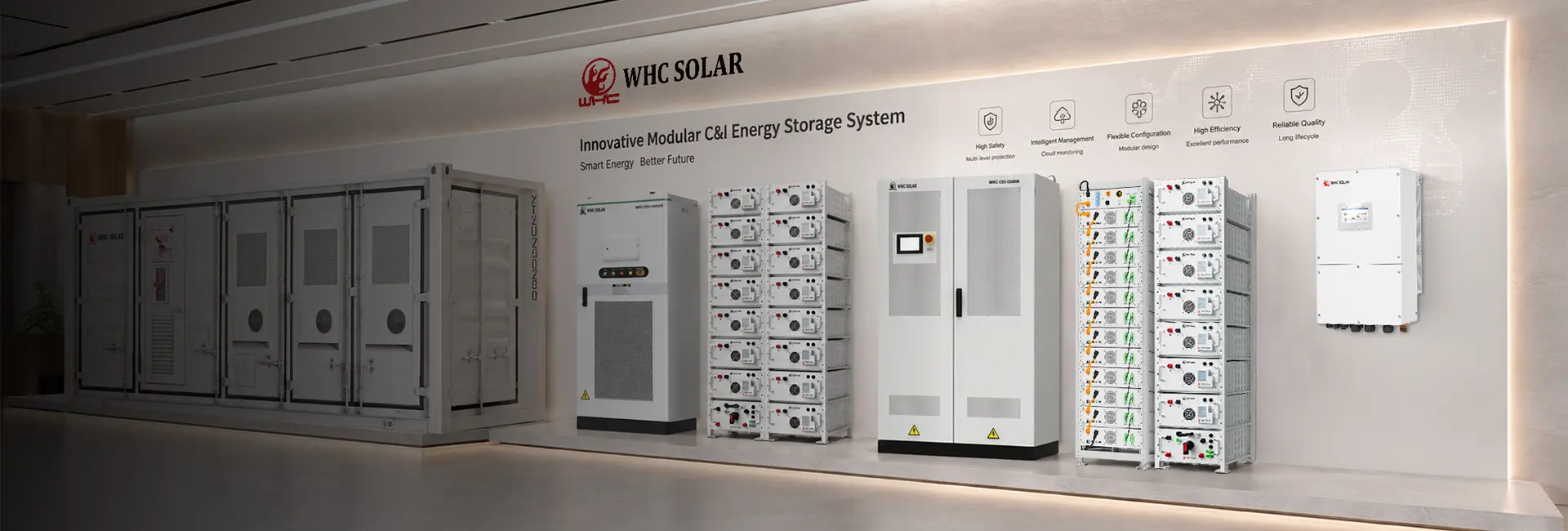
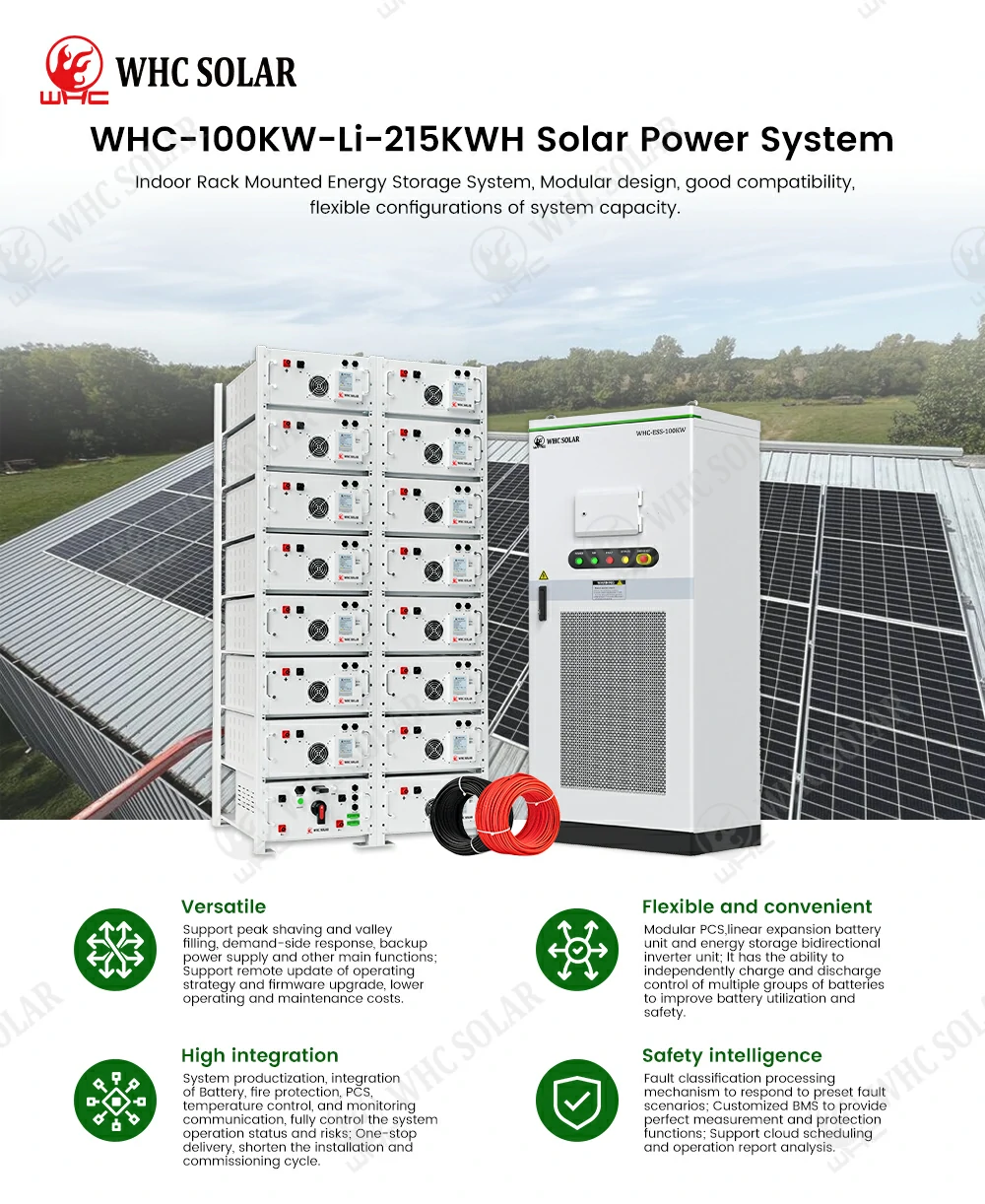
WHC product materials describe C&I systems with 100kW-level inverter/PCS equipment, high-voltage lithium battery modules, BMS control and integrated system components. For larger commercial building loads, multiple units or customized configurations may be considered after engineering review.
Buyers can use WHC Power commercial energy storage systems as a starting point, then compare the system with real building load records and installation conditions.
Application Scenario 1: Office and Retail Building
An office and retail building may have daytime loads from lighting, computers, network systems, air conditioning and shop equipment. During an outage, not every load must continue. The owner may prioritize elevators, emergency lighting, payment systems, security, selected offices and communication equipment.
For this scenario, commercial energy storage systems can be designed to support critical circuits and reduce peak demand during high-traffic hours. The project team should separate tenant loads from landlord loads before sizing the system.
Application Scenario 2: Shopping Plaza with Cold Rooms
A shopping plaza may include supermarkets, food shops, restaurants and small service businesses. Cold rooms and refrigeration can create higher energy sensitivity because product loss may occur during long outages.
For this scenario, battery capacity and backup duration should be planned around refrigeration, lighting, payment terminals and safety systems. Diesel generator integration may still be useful for long cloudy periods or extended grid failure.
Application Scenario 3: Mixed-Use Commercial Building
A mixed-use commercial building may include offices, clinics, apartments, retail areas and parking systems. The load profile can change between daytime, evening and weekend operation. This makes EMS strategy important.
The system should define different operating modes for normal grid supply, PV self-consumption, battery discharge, diesel generator charging and outage backup. Without this logic, the project may have enough equipment but poor operating results.
Supplier Questions Before Requesting a Quotation
Before asking WHC Power or any C&I storage supplier for pricing, the buyer should prepare technical and commercial information. A useful quotation needs more than a 150kW system price.
| Question | Why It Matters | Information to Prepare |
|---|---|---|
| What loads need backup? | Backup design depends on priority circuits, not total building nameplate load. | Load list, operating hours, critical load category and outage duration target. |
| Is peak shaving required? | Peak shaving affects PCS power, EMS settings and battery cycling strategy. | Utility bills, peak demand records, tariff structure and operating schedule. |
| Will diesel be integrated? | Generator interface changes control logic, protection and fuel-saving strategy. | Generator capacity, fuel use, run hours, start logic and existing wiring. |
| Where will batteries be installed? | Battery room conditions affect thermal management, service access and safety. | Indoor room photos, ventilation, ambient temperature, floor space and cable route. |
| Is future expansion expected? | Commercial buildings may add tenants, equipment or EV charging later. | Expansion plan, tenant growth, spare electrical capacity and project budget stage. |
Common Design Risks in Commercial Building Projects
The first risk is sizing the system from a short verbal load list. Commercial buildings need load measurement or a detailed load schedule. Elevators, pumps, compressors and cooling systems can create starting current and peak demand that must be reviewed.
The second risk is ignoring tenant priority. If every tenant expects full backup, the battery capacity and PCS power may become much larger than the owner expected. A practical project normally separates essential loads from flexible loads.
The third risk is treating diesel as an afterthought. If a diesel generator will remain in the building, the C&I energy storage system should include generator charging and switching logic from the beginning.
The World Bank Off-Grid Solar Market Trends Report provides wider context for distributed solar markets. However, commercial energy storage systems should still match real operating conditions, not only equipment capacity.
What to Send WHC Power for 150kW+ Commercial Energy Storage Systems
To receive a useful configuration, send the building type, country, grid condition, current diesel generator capacity, monthly electricity bills, peak load records, critical load list, backup-hour target, roof or carport area, installation room photos and expansion plan.
EPC contractors should also send electrical drawings, single-line diagrams, tender requirements and local grid connection rules if available. Facility owners can start with simpler information, but a final quotation should be based on real load data.
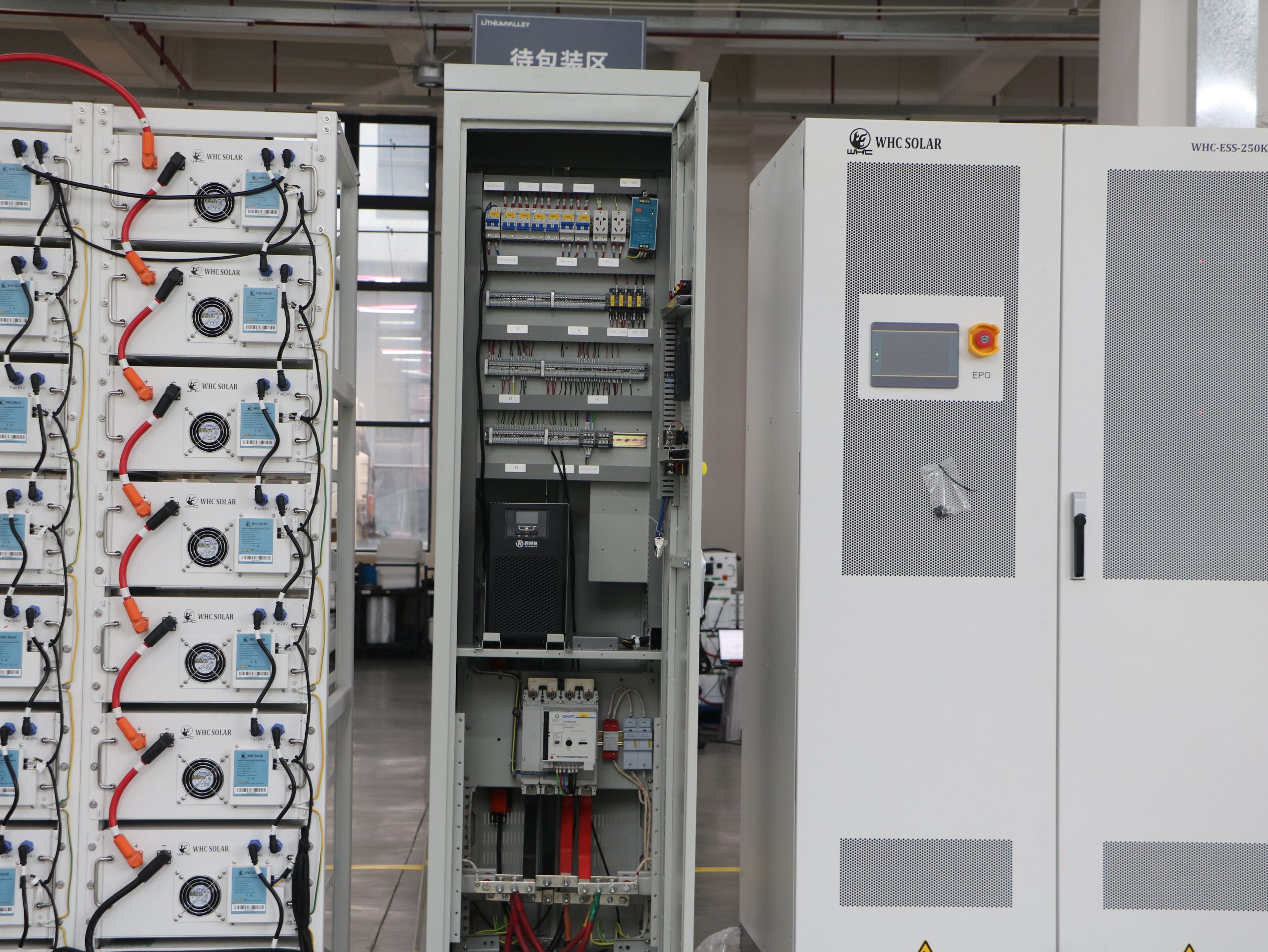
WHC Power can support project buyers with commercial energy storage systems configuration, solar + storage + diesel hybrid planning and quotation support. Buyers can review WHC Power project references, check WHC Power factory capability or contact the team through the commercial energy storage contact page.
Conclusion
Commercial energy storage systems for African commercial buildings should be planned around real tenant loads, backup priorities, peak demand, diesel generator use and future expansion. For 150kW+ projects, the key decision is not only battery capacity. The buyer must also evaluate PCS or inverter power, EMS strategy, BMS protection, PV capacity, distribution design and service access.
For commercial building owners, the right system can improve power reliability and reduce dependence on diesel. For EPC contractors, a clear load profile and control strategy can reduce design changes and improve quotation accuracy.
FAQ
What size commercial energy storage systems are suitable for a commercial building?
The correct size depends on peak load, critical loads, backup-hour target, PV capacity, diesel generator use and future expansion. For larger African commercial buildings, 150kW+ systems are often more realistic than small backup packages.
Can commercial energy storage systems reduce diesel generator use?
Yes. A solar + storage + diesel hybrid system can reduce generator runtime by using solar power during the day, battery power during outages or peak periods, and diesel support for extended backup when needed.
Why is tenant load planning important?
Commercial buildings contain different tenants with different power priorities. Tenant load planning helps separate critical loads from flexible loads, which improves battery sizing and cost control.
What information is needed before requesting a quotation?
Buyers should prepare building type, load list, peak demand, backup-hour target, electricity bills, generator capacity, installation space, PV area and expansion plan.
Does WHC Power write about small home storage systems?
No. WHC Power focuses on solar commercial and industrial energy storage systems, especially C&I projects such as commercial buildings, factories, hospitals, schools, mines and other 100kW+ project applications.




.svg)


