
Blog
Industrial Park Energy Storage System: 7 Best Checks for African Manufacturing Zones


An industrial park energy storage system for an African manufacturing zone is not planned like a single factory backup system. A manufacturing zone may include workshops, cold rooms, warehouses, offices, security systems, water pumps, compressors, lighting, tenant meters, and several production schedules. If the industrial park energy storage system is undersized, tenants still face downtime. If it is oversized, the project owner may lock too much capital into unused capacity.
Across West Africa, Central Africa, and Sub-Saharan Africa, industrial parks and multi-tenant facilities often face weak grid supply, voltage fluctuation, diesel generator dependence, and rising power reliability expectations from tenants. The IEA Africa Energy Outlook notes that electricity access and reliable modern energy remain major development priorities in Africa. For industrial zones, reliable power is also a business competitiveness issue.
This industrial park energy storage system article explains how project contractors and facility owners can evaluate a 100kW plus project before requesting a quotation. It covers load segmentation, shared backup strategy, PV and battery sizing logic, PCS and EMS planning, diesel generator coordination, tenant billing considerations, supplier questions, and project risks.
Why an Industrial Park Energy Storage System Is Different
A single factory usually has one owner, one load profile, one production schedule, and one decision process. An industrial park has several users. Each tenant may have different machines, working hours, backup expectations, and sensitivity to power interruption. Because of this, the industrial park energy storage system must be designed around shared infrastructure and priority loads.
For example, a food processing tenant may care most about cold storage and packaging lines. A metal workshop may care about motors, welding equipment, and compressor starting current. A warehouse tenant may need lighting, security, office equipment, and loading dock operations. The park operator may also need gate systems, water pumps, CCTV, compound lighting, and administrative buildings.
In this type of project, the buyer should treat the industrial park energy storage system as shared power infrastructure, not as a simple battery cabinet. The buyer should not only ask for battery capacity. The better question is: which loads need uninterrupted backup, which loads can be shifted, which loads can remain on grid or diesel, and which tenants need separate monitoring? WHC Power focuses on commercial and industrial storage projects, so buyers can use the WHC Power commercial energy storage systems page as the main internal reference when planning this type of system.
Typical Load Groups in a Manufacturing Zone
Before selecting a system, the project team should separate industrial park loads into practical groups. This makes the configuration clearer and prevents the storage system from trying to support every load at the same priority level.
| Load Group | Examples | Storage Planning Priority |
|---|---|---|
| Critical shared loads | Security, gate control, server room, water supply, fire system, administration office, essential lighting. | Highest priority. These loads should be protected during grid failure and generator switching. |
| Tenant production loads | Packaging lines, processing machines, compressors, pumps, motors, refrigeration equipment. | Requires load study. High starting current and operating schedule must be checked before sizing. |
| Flexible loads | Some HVAC, non-critical lighting, battery charging, auxiliary office loads, daytime-only processes. | Can be shifted, limited, or excluded from backup to control project cost. |
| Diesel-supported loads | Heavy machinery, high surge equipment, peak production processes, large motors. | May require diesel coordination instead of full battery backup. |
How to Size a 100kW Plus Industrial Park Energy Storage System
For a multi-tenant facility, the first sizing step is not choosing a battery cabinet. The first step is collecting load data. Project owners should prepare total connected load, peak demand, daily energy consumption, operating hours, diesel generator size, grid outage pattern, and tenant priority list.
A 100kW energy storage system may be suitable for a small industrial compound, shared service area, or selected critical loads. Larger manufacturing zones may need 200kW, 500kW, or a staged system depending on tenant demand. The final configuration depends on how much load must be backed up, how many hours of storage are required, and whether the system also supports peak shaving or diesel reduction.
For a first quotation, buyers should share at least three numbers: peak kW, daily kWh, and required backup hours. If these numbers are not available, the supplier should request a load list before recommending a commercial storage system. Buyers can contact the WHC Power project team with load profiles, generator information, and project drawings for configuration review.
Configuration Options for Industrial Park Storage Projects
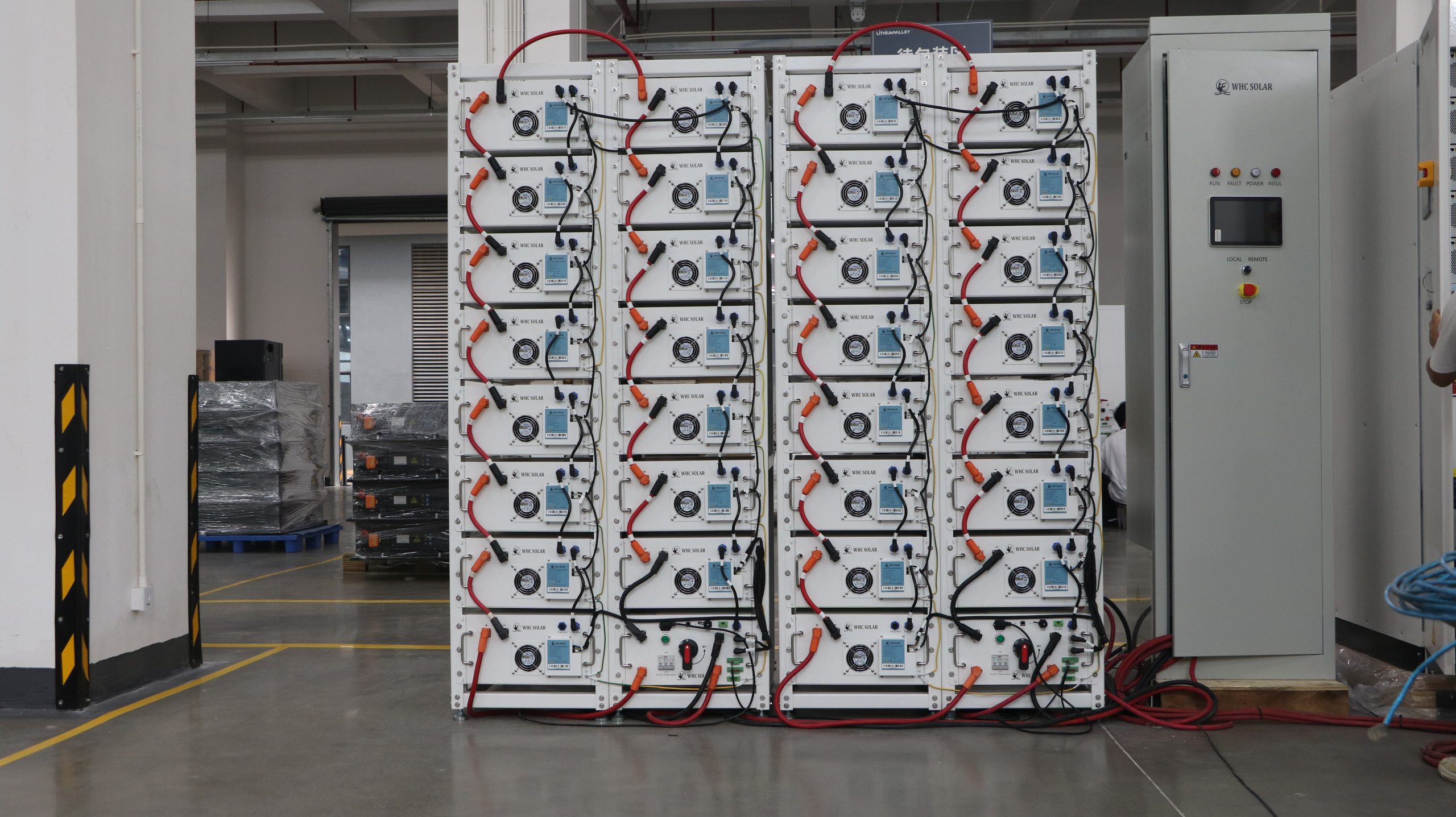
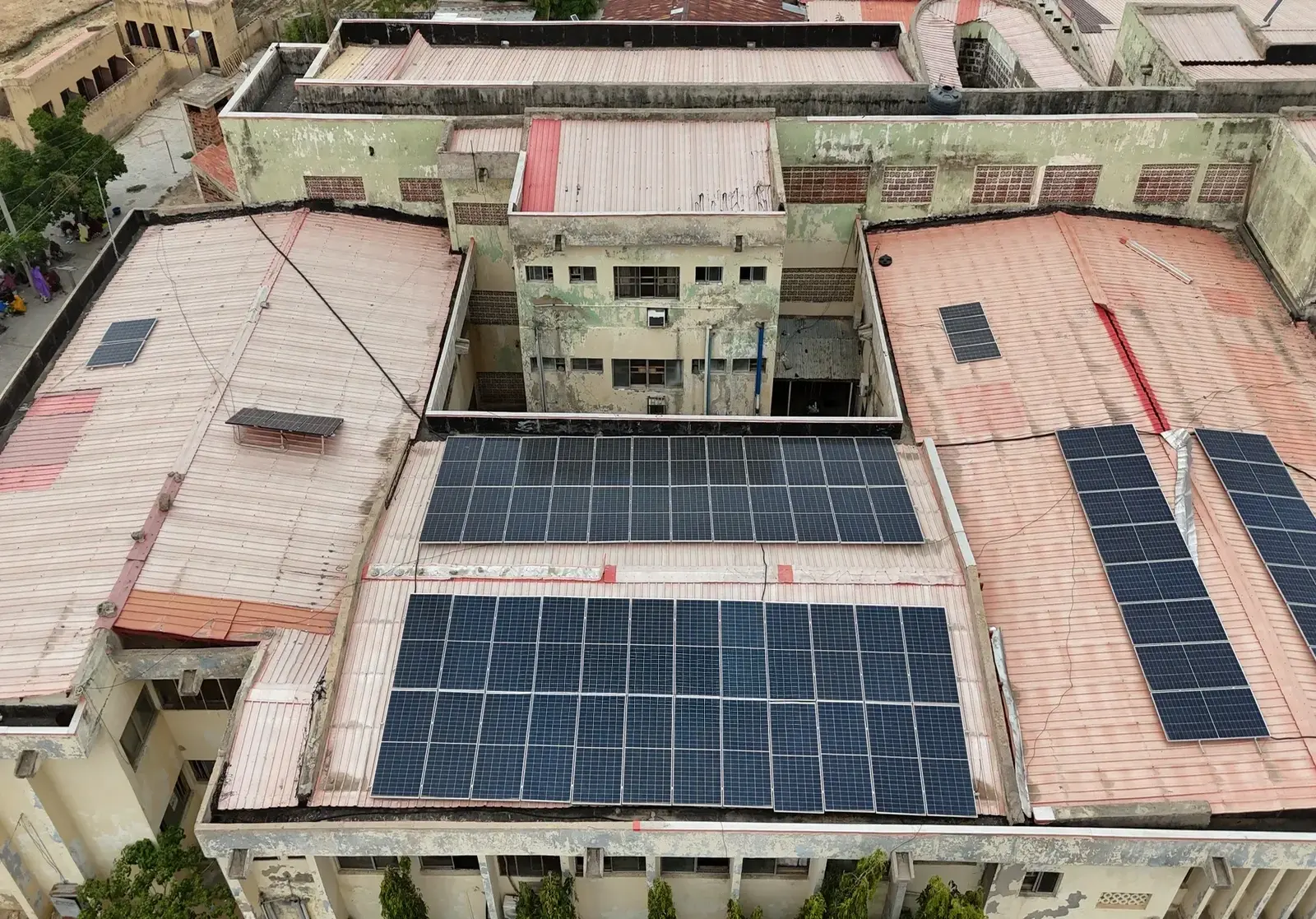
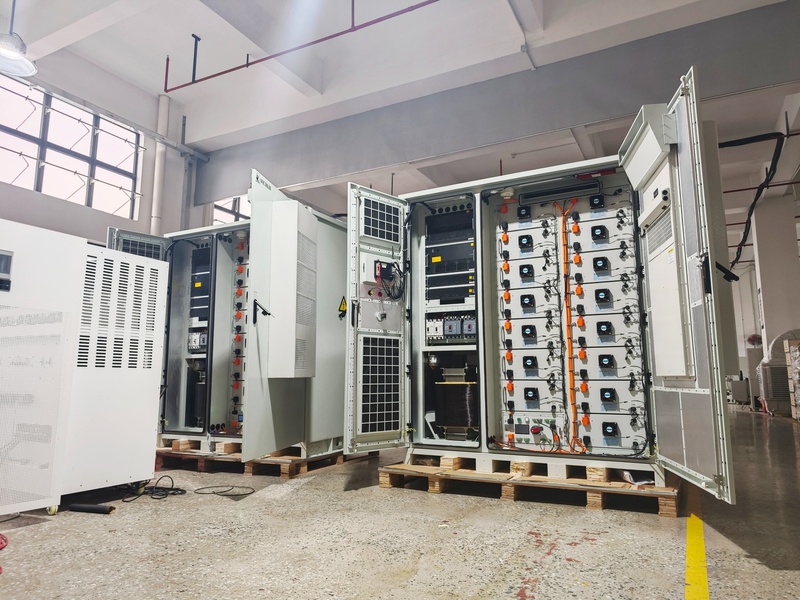
An industrial park energy storage system usually combines PV modules, battery cabinets or containerized storage, PCS, EMS, BMS, protection equipment, distribution cabinets, and sometimes diesel generator coordination. The purpose is not only to store solar power. The system should help the park reduce outage risk, improve power quality, lower diesel runtime, and support tenant operations.
| Configuration Type | Best-Fit Project Scenario | Procurement Notes |
|---|---|---|
| Solar storage for critical shared loads | Industrial park office, security, water supply, lighting, IT room, gate systems. | Good starting point when the owner wants controlled investment and visible reliability improvement. |
| Solar storage for selected tenants | Cold room, packaging tenant, clinic inside the park, data room, priority production lines. | Requires tenant load separation, metering plan, and clear service agreement. |
| Solar storage with diesel generator coordination | Sites with long outages, high surge loads, or existing diesel generators. | Useful when the goal is diesel reduction rather than complete generator replacement. |
| Staged C&I storage expansion | Parks with new tenants entering over time or uncertain future load growth. | Buyers should confirm expansion limits, battery cabinet compatibility, PCS capacity, and EMS scalability. |
Why EMS and Tenant Monitoring Matter
For a multi-tenant site, the industrial park energy storage system needs EMS visibility so the operator can separate shared backup loads, tenant demand, battery status, and diesel generator operation.
For a factory owner, a basic inverter and battery display may be enough for simple backup. For an industrial park, the energy management system is more important. The EMS can help monitor PV generation, battery charge and discharge, grid condition, generator status, and load behavior.
In a multi-tenant facility, monitoring is also a commercial issue. If the park owner sells power reliability as part of the rental value, tenants may ask how backup service is measured. The project team should decide whether the system needs tenant-level metering, shared load reporting, alarm history, generator runtime tracking, or remote monitoring.
This is why procurement should include control logic, not only hardware price. A lower-price offer may look attractive, but it may lack the EMS features needed for multi-tenant operation. WHC Power can support industrial storage configuration discussion through its commercial energy storage solution page, especially when buyers need to match PCS, battery capacity, EMS logic, and project load conditions.
Diesel Reduction and Backup Strategy
Many African industrial parks already use diesel generators. In this case, a solar and storage project does not always need to remove diesel completely. A more practical goal may be reducing generator runtime, limiting fuel consumption, smoothing generator operation, and keeping critical loads powered during transition periods.
For example, storage can cover short outages, low-load nighttime operation, or selected critical loads. Diesel can remain available for heavy production peaks, long rainy periods, or emergency support. This hybrid strategy may be more realistic for industrial parks with mixed tenant demand.
The World Bank Mission 300 connects electricity access with jobs, agriculture, processing, commercial activity, and industrial development. For manufacturing zones, better power reliability can support tenant retention, production planning, and business expansion.
Supplier Selection Checklist for Industrial Park Projects
Industrial park buyers should evaluate suppliers based on project configuration ability, not only product price. A C&I storage supplier should understand load profiles, backup priority, PCS selection, battery capacity planning, protection design, monitoring needs, and installation support.
| Supplier Checkpoint | What to Ask | Why It Matters |
|---|---|---|
| Load analysis support | Can the supplier review peak load, daily kWh, tenant load groups, and backup priorities? | Prevents over-sizing, under-sizing, and wrong backup assumptions. |
| C&I system configuration | Can the supplier match battery, PCS, EMS, BMS, PV, protection and diesel coordination? | Industrial parks need system-level matching, not separate component selling. |
| Expansion planning | Can the system support later capacity expansion as tenants increase? | Manufacturing zones often grow in stages, so future compatibility matters. |
| Installation documentation | Does the supplier provide wiring guidance, cabinet layout, communication logic and commissioning support? | Good documentation reduces project delays and local installation risk. |
| After-sales response | Can the supplier support troubleshooting for EMS, battery alarms, PCS settings and site operation? | Industrial park downtime can affect several tenants at once. |
Procurement Risks to Avoid
The first risk is using a residential storage mindset for a C&I project. Industrial parks have heavier loads, more complex wiring, larger safety requirements, and higher operational pressure. A small system may work for offices, but it may not support workshops, motors, compressors, or cold rooms.
The second risk is ignoring tenant load diversity. A park owner may only know total transformer capacity, but that number does not show real operating behavior. The project team should check actual peak periods, night loads, weekend loads, and tenant expansion plans.
The third risk is buying hardware before confirming system control. Battery cabinets, PCS, EMS, and diesel generators must work together. Poor coordination can cause unstable switching, battery over-discharge, generator overload, or confusing fault alarms.
How WHC Power Supports Industrial Park Energy Storage System Projects
WHC Power focuses on solar commercial and industrial energy storage systems for African project needs. For an industrial park or manufacturing zone, the practical value is project configuration support: matching PV capacity, battery capacity, PCS power, EMS control, diesel generator coordination, and backup priority to real site demand.
Before quotation, buyers can prepare project location, load list, peak kW, daily electricity consumption, generator size, grid outage pattern, roof or ground space, target backup hours, and future tenant expansion plan. With these details, WHC Power can help evaluate whether the project should start with critical shared loads, selected tenant backup, full park backup, or staged expansion.
Buyers can review the WHC Power industrial energy storage system page, check WHC Power project references, and learn more about production support through the WHC Power factory page.
FAQ
What size energy storage system is suitable for an African industrial park?
The right size depends on peak kW, daily kWh, backup-hour target, tenant load groups, diesel generator plan, and future expansion. Many industrial park projects should start from 100kW plus system evaluation, but the final capacity should be based on actual load data.
Should an industrial park storage project include diesel generator coordination?
In many African sites, yes. Diesel coordination can be practical when outages are long, production loads have high surge current, or the buyer wants to reduce diesel runtime instead of removing generators completely.
Why is EMS important for multi-tenant facilities?
EMS helps monitor PV generation, battery status, load behavior, grid condition, and generator operation. For multi-tenant facilities, it can also support better operating visibility and power management.
Can one energy storage system support several tenants?
Yes, but the project must define backup priority, load separation, metering, protection design, and operating rules. Without clear load grouping, one tenant’s heavy load may affect others during backup operation.
What information should buyers send before requesting a quotation?
Buyers should send project location, load list, peak power, daily energy consumption, operating hours, generator size, grid outage pattern, backup-hour target, installation space, and expansion plan.
CTA
Planning an industrial park, manufacturing zone, or multi-tenant facility power project in Africa? Contact WHC Power to request a 100kW plus C&I energy storage configuration review, including PV, battery, PCS, EMS, diesel coordination, backup priority and quotation support.
Request an Industrial Park Energy Storage System Configuration



.svg)


